On the Scheduling of the Anti‑LGBTQ+ Bill in the Parliament of Ghana
The Interfaith Diversity Network of West Africa (IDNOWA) notes with deep concern the decision of the Parliament of Ghana to schedule the Anti‑LGBTQ+ Bill for debate and consideration. As an interfaith body committed to human dignity, justice, and peaceful coexistence, we affirm that no law should strip any human being of their safety, freedom of conscience, or right to exist without fear.
Across our region, people of diverse faiths—Christian, Muslim, traditional, and others—share a common moral principle: every human being is created with inherent worth. Criminalizing individuals on the basis of identity or perceived identity violates this shared moral foundation and threatens the social harmony that our faith traditions seek to uphold.
We respectfully urge Ghana’s lawmakers to consider the far‑reaching implications of this bill, including its impact on:
Human dignity and fundamental freedoms
Religious liberty, especially for faith communities who reject violence and criminalization
Public health and community safety
Ghana’s longstanding reputation as a leader in democracy and human rights in West Africa
IDNOWA stands firmly against any form of violence, discrimination, or state‑sanctioned harm. We call for dialogue instead of punishment, understanding instead of fear, and compassion instead of criminalization.
We remain committed to working with religious leaders, civil society, and policymakers to promote peace, protect the vulnerable, and uphold the values that strengthen our communities. Our doors remain open for constructive engagement rooted in respect and shared humanity.
Human dignity is not a debate. It is a sacred obligation.
Signed,
Interfaith Diversity Network of West Africa (IDNOWA)
IDNOWA has formally written to the Minority Leader of the Parliament of Ghana, Hon. Alexander Afenyo‑Markin, appealing for responsible leadership and urging Parliament not to use the Anti‑LGBTIQ Bill as a tool for retaliation or political pressure.
Our message is simple and grounded in Ghana’s constitutional values: every citizen deserves protection, dignity, and fairness—regardless of sexual orientation, ethnicity, gender, or religion.
Dear Hon. Alexander Afenyo‑Markin, Minority Leader, Parliament of the Republic of Ghana,
I extend my respectful greetings to you and your distinguished office. I am writing in my capacity as Executive Director of the Interfaith Diversity Network of West Africa (IDNOWA), an organisation committed to promoting peaceful coexistence, mutual respect, and the protection of all citizens irrespective of their background, beliefs, or identity.
I wish to respectfully appeal to your good office regarding the ongoing calls for the passage of the Anti‑LGBTIQ Bill. My concern is not rooted in politics, but in the shared responsibility we all bear to safeguard Ghana’s democratic values, human dignity, and long‑standing traditions of tolerance.
IDNOWA is not advocating for special privileges or political advantage for any group. Our position is simple: every Ghanaian deserves equal protection under the law, regardless of sexual orientation, ethnicity, or religion. This principle aligns with Ghana’s constitutional commitments and with the moral foundations of our diverse cultural and faith traditions.
Historically, our ancestors lived in communities where differences were managed with wisdom rather than punishment. They did not build prisons for people based on their private lives or identities. Instead, they upheld a social fabric that valued harmony, coexistence, and respect for diversity. These values have shaped Ghana into a nation admired for its stability and humanity.
At a time when the country faces significant economic and social challenges, prioritising legislation that targets vulnerable citizens risks diverting national attention from urgent development needs. It also risks deepening divisions at a moment when unity is essential. Ghana’s reputation as a democratic, rights‑respecting nation has been earned through decades of careful leadership—leadership that you now embody in your role as Minority Leader.
I therefore appeal to your conscience, your sense of justice, and your commitment to Ghana’s democratic heritage. Your influence can help ensure that Parliament does not become a tool for retaliation or exclusion, but remains a place where every citizen feels represented and protected. This moment calls for leadership that rises above political tensions and affirms the dignity of all Ghanaians.
I trust in your wisdom and your ability to guide Parliament toward decisions that strengthen our national cohesion and uphold the values that define us as a people.
Thank you for your service to Ghana and for considering this respectful appeal.
Yours sincerely,
Davis Mac‑Iyalla
Executive Director Interfaith Diversity Network of West Africa (IDNOWA)
By Nana Davis Mac-Iyalla Executive Director of IDNOWA
Ghana’s Parliament has, once again, reintroduced the so-called Proper Human Sexual Rights and Ghanaian Family Values Bill—a Private Member’s Bill that seeks to criminalize LGBTQ+ identities, advocacy, and even journalism. But just like its predecessor introduced in 2021, this bill is not only discriminatory—it is unconstitutional.
⚖️ Article 108: The Bill’s Fatal Flaw
Under Article 108 of the 1992 Constitution, the Speaker of Parliament is prohibited from allowing any bill that imposes a financial burden on the State unless it is introduced by the government. This bill proposes prison sentences of up to 10 years for individuals who “promote” LGBTQ+ rights—including journalists, allies, and advocates.
That means:
Convicts must be housed, fed, and secured—at the taxpayer’s expense.
The bill is not government-sponsored, yet it mandates costly enforcement.
This is a textbook violation of Article 108. The Speaker is constitutionally barred from proceeding. Any attempt to do so undermines the integrity of Parliament and the rule of law.
📉 A Bill That Lapsed—and Should Stay Buried
The original version of this bill, introduced in 2021, lapsed without passage. It was widely condemned by legal experts, human rights defenders, and international observers. Its reintroduction in 2025 is not a revival—it’s a repetition of error.
🗣️ Legacy, Clarity, and Constitutional Courage
Let it be known: this bill is dead on arrival. No amount of posturing or moral panic can override the Constitution. Ghana’s democracy is not a playground for populist punishment. We must anchor our laws in justice, clarity, and fiscal responsibility.
To every journalist, advocate, and citizen who refuses to be silenced—stand firm. The Constitution is on your side. And to those who seek to weaponize Parliament against dignity and truth: the law has spoken. You may reintroduce the bill, but you cannot resurrect its legitimacy.
Press Release For Immediate Release Date: 11 August 2025 Contact: Interfaith Diversity Network of West Africa (IDNOWA) Email: info@idnowa.org
IDNOWA Leads Bold Dialogue on Human Rights and Inclusion Amid Ghana’s Anti-LGBT Bill Debate
Accra, Ghana — On 4 August 2025, the Interfaith Diversity Network of West Africa (IDNOWA) hosted a landmark sensitization workshop aimed at promoting human rights awareness and fostering inclusive dialogue among religious and traditional leaders. The event comes at a critical time, as Ghana’s Parliament reconsiders the controversial anti-LGBT bill, raising alarm among civil society and international observers.
The workshop brought together a diverse group of faith leaders, human rights educators, and civil society representatives to explore the intersection of religion, culture, and inclusion. Through presentations, group discussions, and personal storytelling, participants examined the social and legal implications of the proposed legislation and reaffirmed their commitment to dignity and equality for all.
“This workshop is not just a conversation—it’s a commitment to justice,” said Davis Mac-Iyalla, Executive Director of IDNOWA. “We must continue to challenge exclusionary narratives and empower leaders to stand for compassion and equality.”
IDNOWA has been at the forefront of promoting inclusion across West Africa, using interfaith dialogue to dismantle stigma and build bridges between communities. The organization’s ongoing efforts include educational outreach, advocacy campaigns, and strategic partnerships with local and international stakeholders.
Key Outcomes: Increased empathy and understanding among religious leaders.
Commitments to promote inclusive practices within faith communities.
Heightened awareness of the anti-LGBT bill’s risks to civil liberties.
Recommendations: Continued engagement through follow-up workshops.
Development of tailored educational materials for faith communities.
Strengthened partnerships with advocacy groups to support inclusive policy dialogue.
This workshop underscores IDNOWA’s unwavering dedication to human rights and its strategic role in shaping a more inclusive West Africa.
For interviews, media inquiries, or further information, please contact: IDNOWA Communications Team 📧 info@idnowa.org 🌐 Visit our press page
Davis Mac Iyalla, a queer spiritual leader and out gay chief in Ghana, embodies defiant visibility and ancestral wisdom in equal measure
Ghana’s Parliament has reopened debate on one of Africa’s toughest anti LGBTQ+ bills, just a year after the previous version expired without presidential assent.
The reintroduced Human Sexual Rights and Family Values Bill seeks to raise prison terms for same sex intimacy and criminalise “promotion” of queer rights.
Yet even as legislators press ahead, a very different story is unfolding in the fishing town of Yamonransa on the country’s Cape Coast.
There, Nana Kwaku Gyasi, Chief Davis Mac Iyalla, who is also Executive Director of the Interfaith Diversity Network of West Africa (IDNOWA), is teaching that visibility itself can be an act of love.
“I came out the day I was born”
Mac Iyalla rejects western notions of a single, dramatic “coming out.”
“I came out to the world the day I was born,” he tells MambaOnline. “My concept of coming out is about speaking out, using your voice to challenge injustice.”
That conviction first catapulted him into headlines a quarter century ago, when he confronted the Anglican Church of Nigeria over its homophobia.
Today he carries the same fire into Ghanaian life, defiantly testifying before Parliament against the anti-LGBTQ+ bill and preaching inclusion from pulpits across West Africa.
Chosen by the ancestors
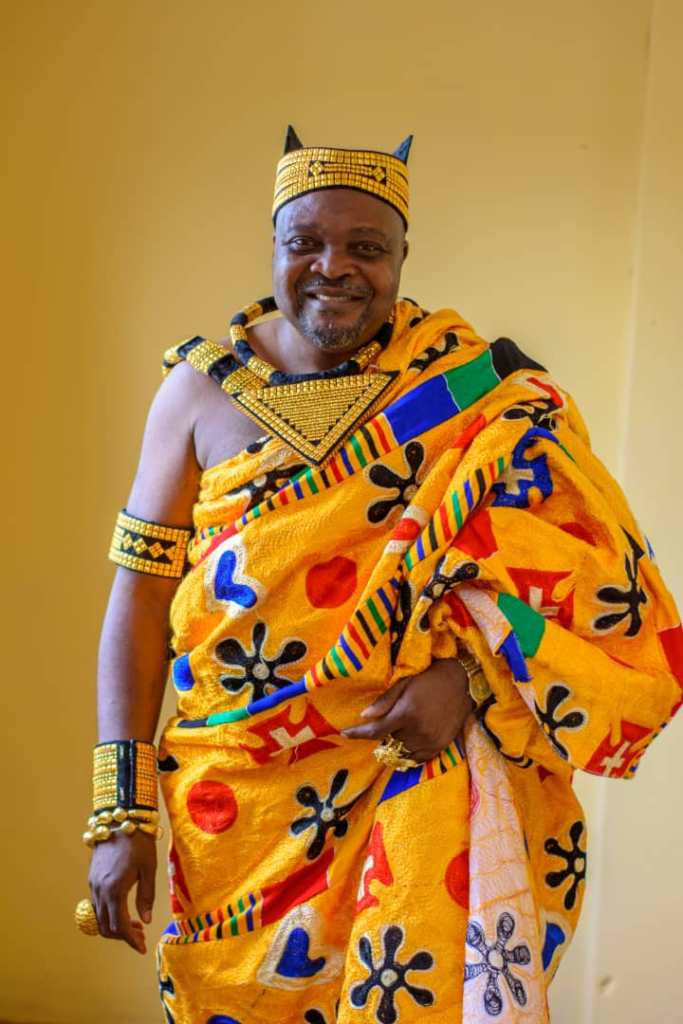
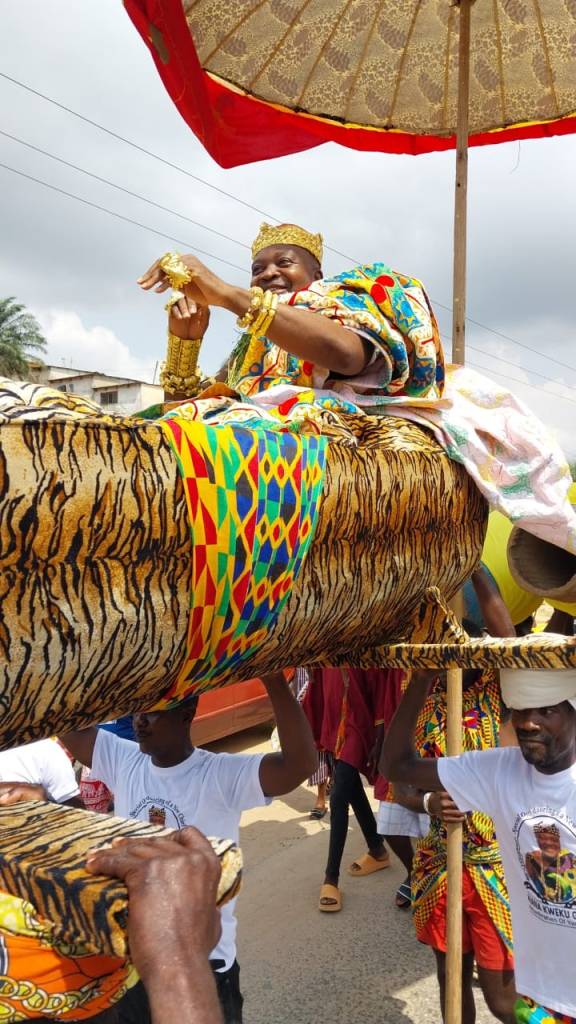
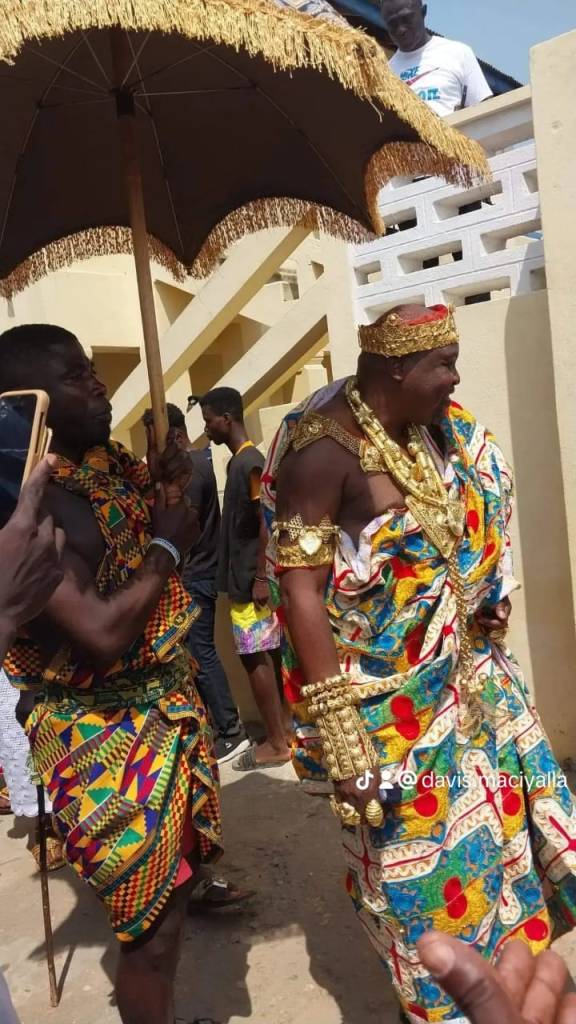
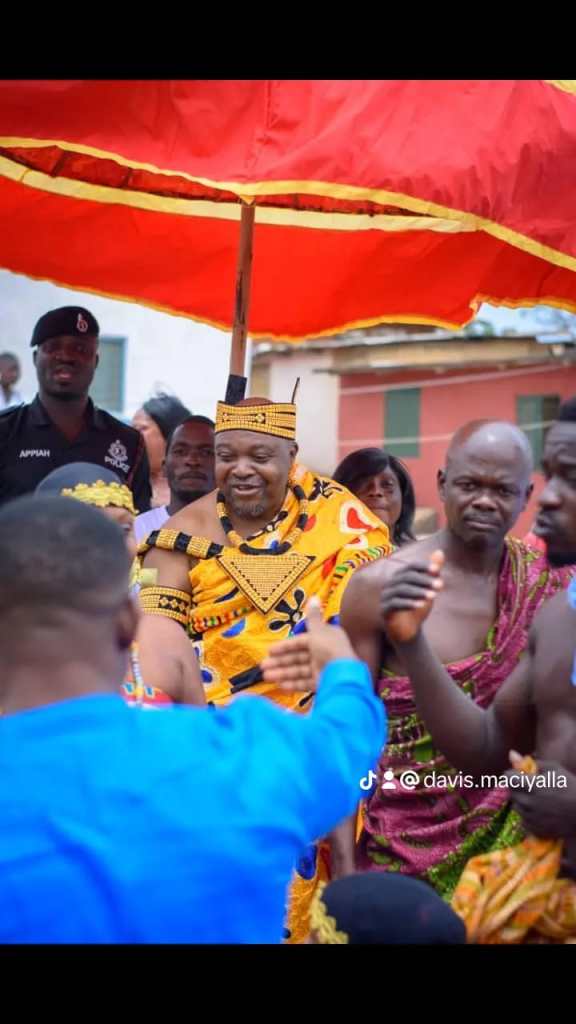
Three years ago, Mac Iyalla was lifted onto a traditional palanquin (also known as a litter, used to carry chiefs, kings, and other important figures during ceremonies and festivals) and installed as Amankorehen (development chief) of Yamonransa.
Some rival chiefs tried, literally, to topple him; the palanquin collapsed and tabloids declared that “the gods had rejected” a gay chief.
The activist tells a very different story: “I was chosen by the ancestors,” he says. “If homosexuality were truly a taboo, I would never have been allowed to sit on the stool.” (In Ghanaian chieftaincy, the stool is not just a seat but a central symbol of leadership and authority.)
His stool still stands. So do his community projects: youth apprenticeships, widows’ micro grants and IDNOWA’s dialogue circles that bring imams, pastors and traditional priests to the same table.
Chief Davis Mac Iyalla being carried on a traditional palanquin used during ceremonies and festivals
An out gay chief changing hearts at village level
While urban activists tweet and rally, Mac Iyalla works face to face with local “gate keepers”, chiefs, queen mothers and clan elders whose word shapes daily life.
“Most people don’t care about my sexuality,” he explains. “They care about the development I bring.”
That pragmatism is paying off. Elders who once kept silent now greet him publicly; church women volunteer at IDNOWA food drives; parents ask how to protect queer children rather than punish them.
“Changing attitudes takes time,” the chief says, “but conversations have begun, and that is huge for West Africa.”
Faith without fear
For Mac Iyalla, queer joy is inseparable from spirituality. IDNOWA’s credo is simple: “All humans are born free and equal.”
Founded in 2016, the network spans 11 West African countries, equipping clergy and activists to confront religiously framed homophobia with scripture, history and Ubuntu ethics.
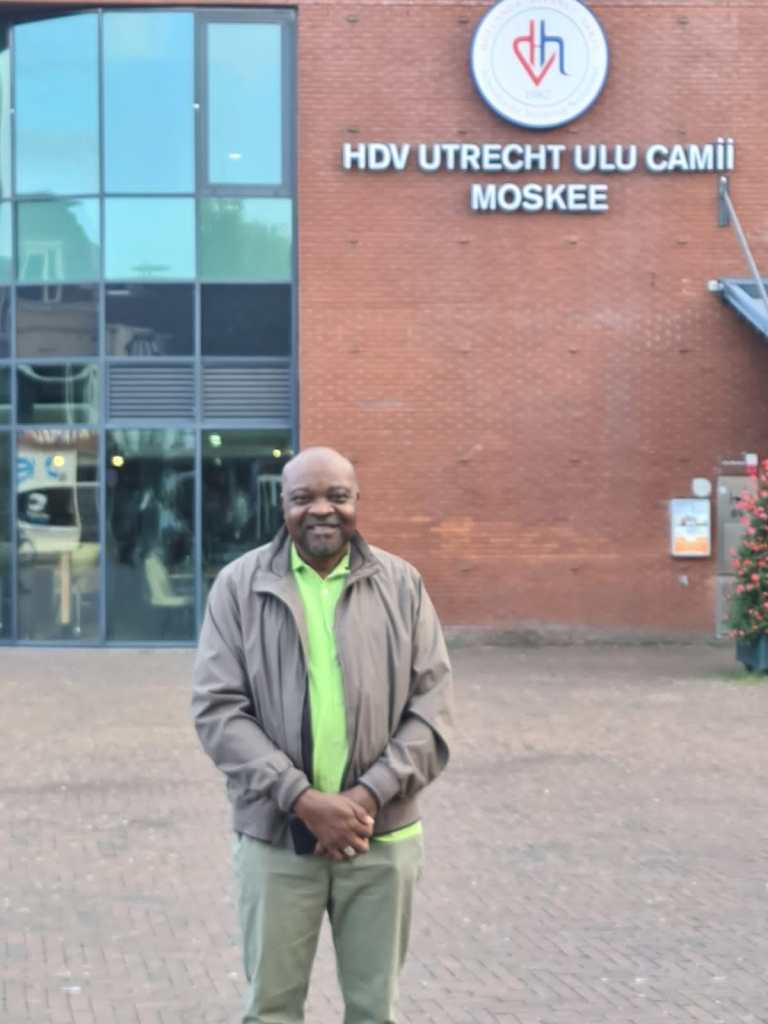
Last September, Mac Iyalla preached in the Netherlands, urging Christians to “reshape the world by speaking out against all forms of injustice.”
A message to queer African youth
“You are not a taboo. You are not ‘un-African’. Same sex love existed on this continent long before colonial missionaries,” Mac Iyalla asserts.
“If God and your ancestors are with you, no weapon fashioned by anti gender movements will succeed.”
He urges young people who feel safe enough to “take the risk and be counted,” while reminding them that leadership also happens quietly, in classrooms, clinics and marketplaces where queer Africans already serve.
Why this story matters
Mac Iyalla’s journey does not erase Ghana’s political peril, but it illuminates a parallel reality: LGBTQ+ Ghanaians are farmers, teachers, chiefs and prayer leaders. They are “everywhere,” as he likes to say, and in many cases they are thriving.
In a season when anti queer rhetoric dominates headlines, Chief Davis Mac Iyalla stands as living proof that African tradition can coexist with and celebrate queer identity. His life invites us to imagine a future in which ancestral stools make room for every kind of child born to the continent.
Until that day arrives, he will keep doing what chiefs are meant to do: build, protect and speak the truth. And that, in itself, is queer joy.
On 7th March 2025 IDNOWA hosted a successful traditional and religious leaders engagement in Cape Coast Ghana. Highlights of the conversation was safety and security for the marginalised community.
On this special occasion of Ghana’s Independence Day, Idnowa joins the nation in celebrating the rich history, resilience, and spirit of unity that defines Ghana. As we mark the 6th of March, we honor the sacrifices made by our forebears and their unwavering commitment to the freedom and progress we continue to enjoy today.
Ghana’s journey of independence has been one of determination, courage, and collective effort, and we remain inspired by the nation’s growth and achievements. As Ghanaians celebrate this monumental day, we stand in solidarity with the people of Ghana and wish everyone a joyful and reflective celebration.
Statement by the Interfaith Diversity Network of West Africa (IDNOWA) on Ghana’s Upcoming Elections on 7th December 2024
As Ghana approaches its general elections on 7th December 2024, the Interfaith Diversity Network of West Africa (IDNOWA) calls for a peaceful, inclusive, and transparent electoral process that upholds the dignity and rights of all citizens.
A Call for Peace and Unity We urge political parties, candidates, and their supporters to prioritize peace and refrain from rhetoric or actions that may incite violence, division, or hatred. Ghana has long been a beacon of democracy in Africa, and it is imperative that this legacy is upheld during this critical period.
Respect for Human Rights Elections should not be a platform for the marginalization of vulnerable groups, including women, youth, and LGBTQI+ individuals. We call on all stakeholders to promote messages of inclusion, unity, and respect for diversity. Hate speech, stigmatization, and the use of homophobia as a political tool have no place in a democratic society.
Fairness and Transparency IDNOWA appeals to the Electoral Commission, security agencies, and all relevant authorities, to ensure that the electoral process is free, fair and transparent. Citizens must feel confident that their voices will be heard and their votes counted without intimidation or fear.
Engagement with Religious and Community Leaders As an interfaith organization, we emphasise the role of religious and community leaders in fostering dialogue and encouraging peaceful coexistence. Let us use our platforms to unite communities rather than divide them.
Encouraging Civic Responsibility We encourage all eligible voters to exercise their right to vote responsibly and without coercion. Participation in the democratic process is a cornerstone of active citizenship and a vital step toward shaping a more inclusive and equitable society.
Our Commitment IDNOWA remains committed to promoting peace, human rights, and inclusion across West Africa. We stand ready to collaborate with civil society organizations, government agencies, and international partners to ensure a peaceful electoral process in Ghana.
Together, let us strive for an election that reflects the values of justice, equity, and respect for all.
Signed Mr. Davis Mac-Iyalla Executive Director Interfaith Diversity Network of West Africa.
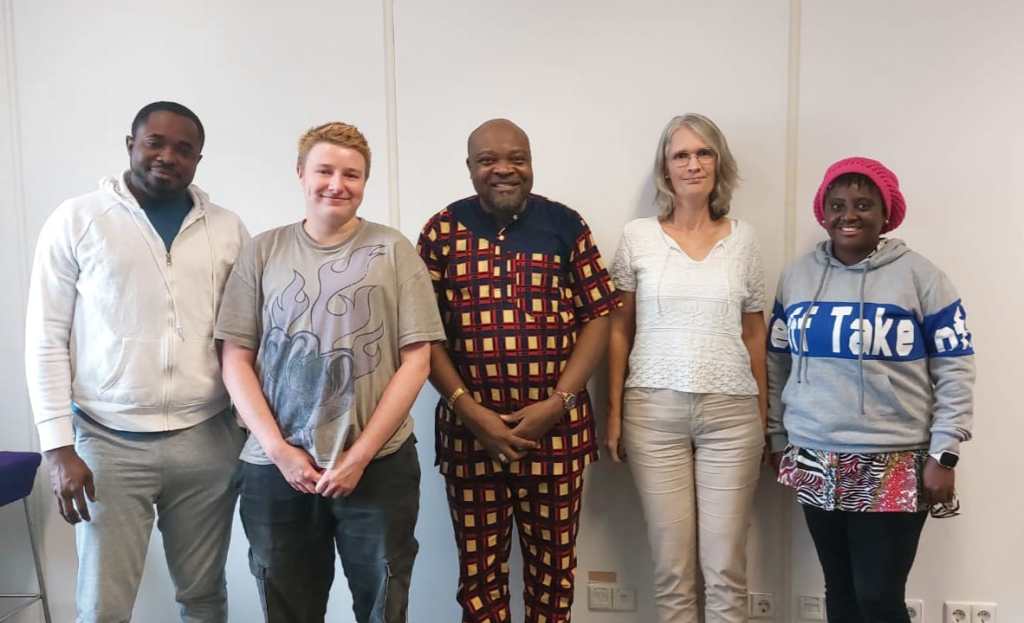
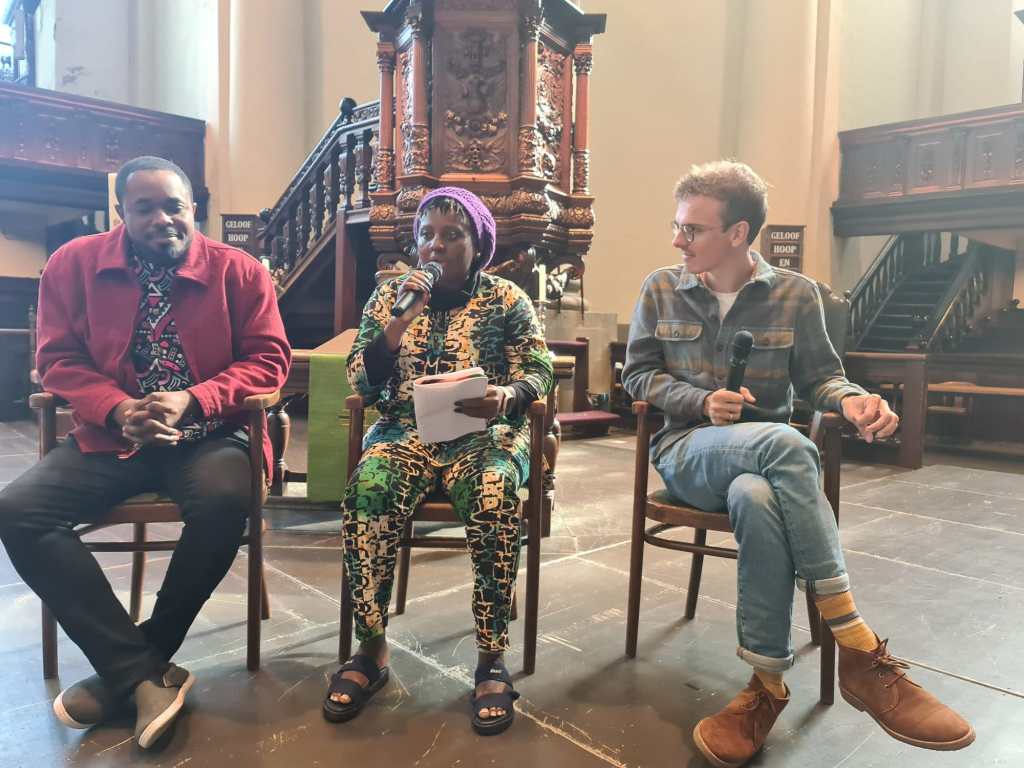
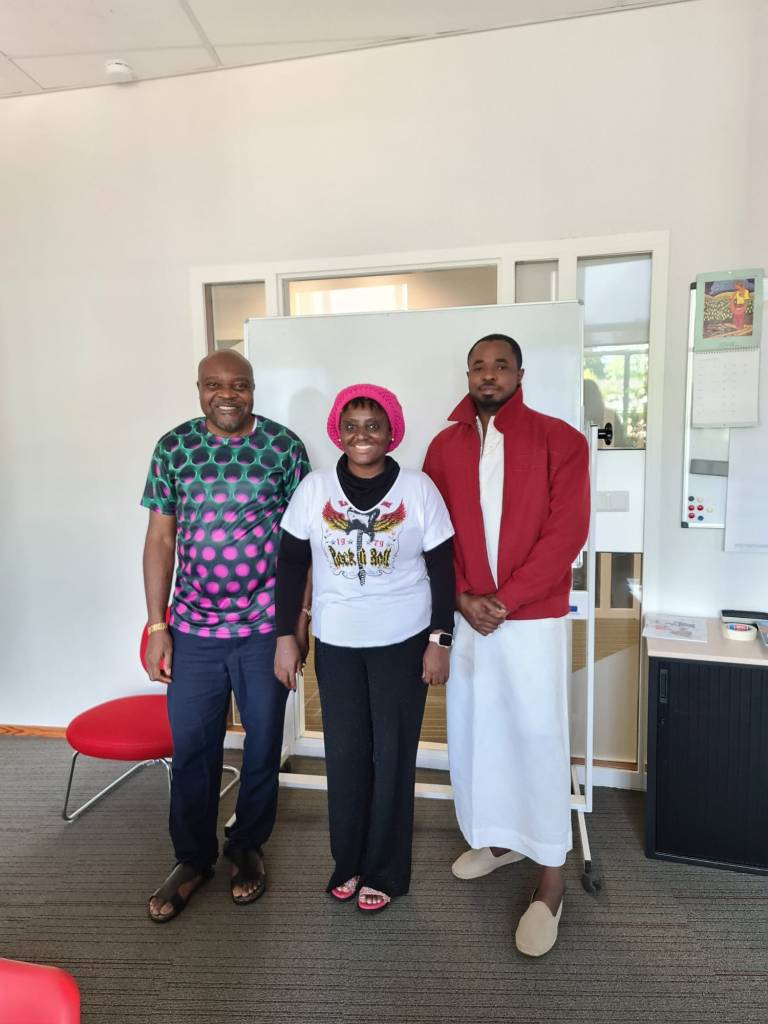
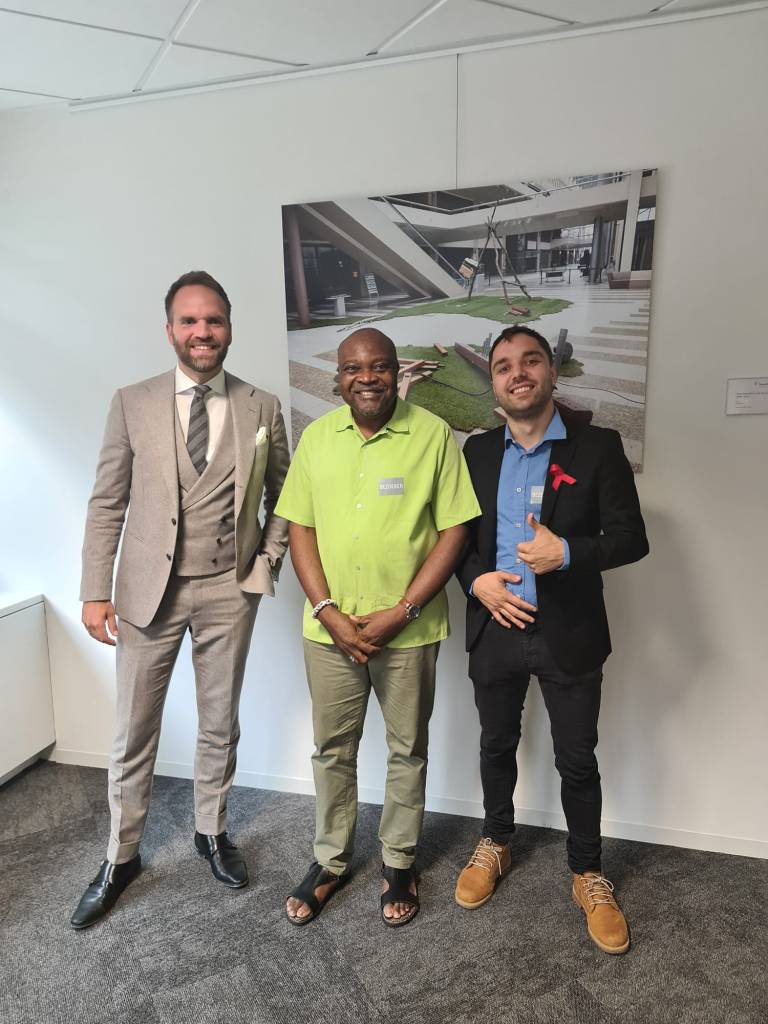
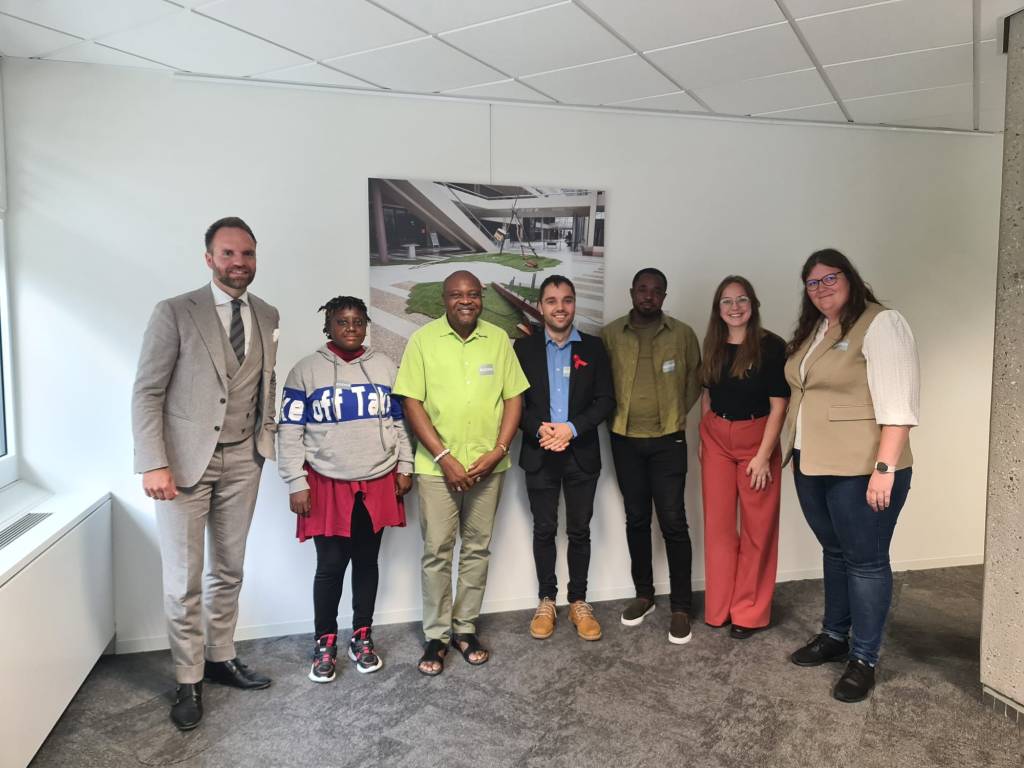
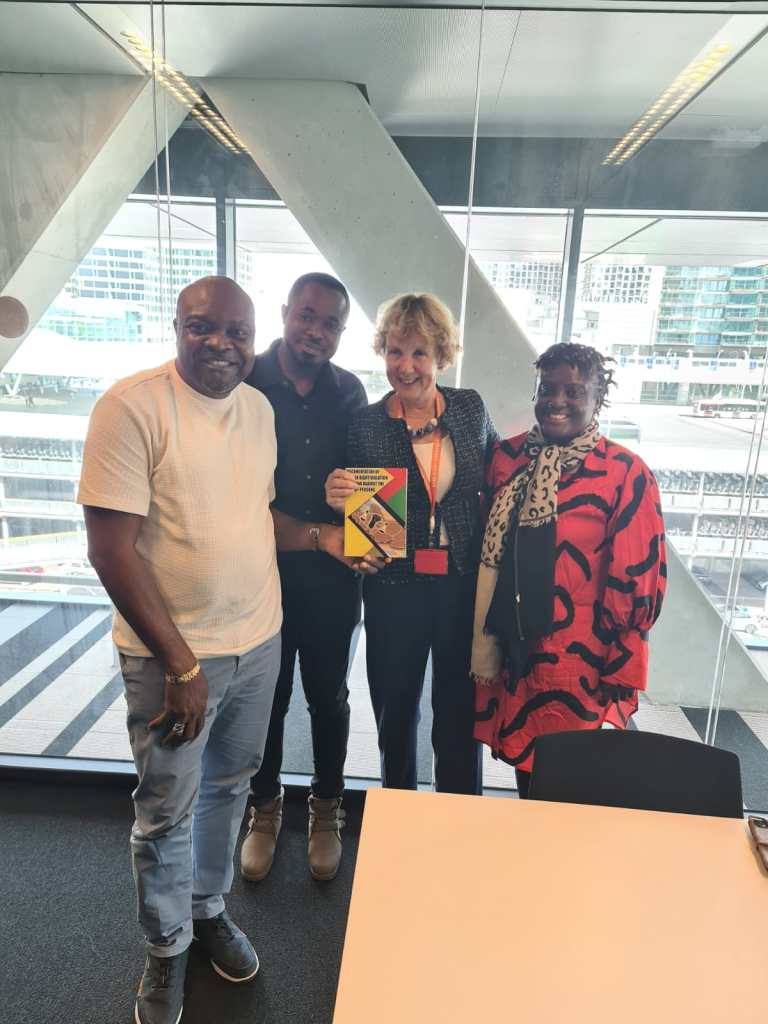
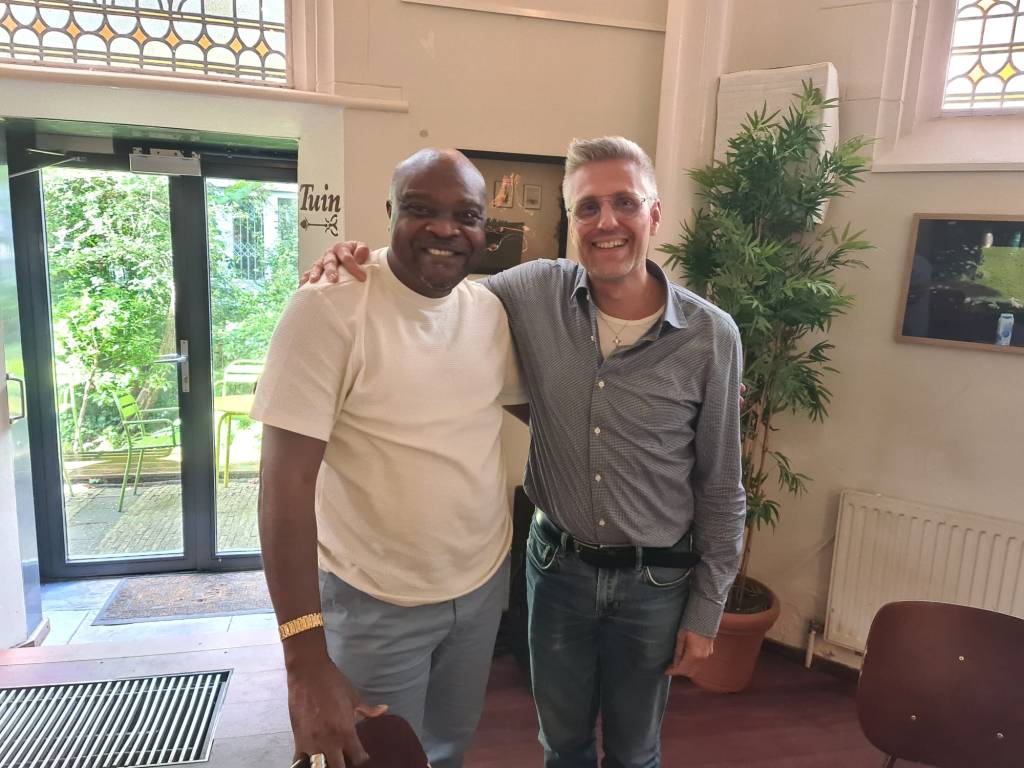
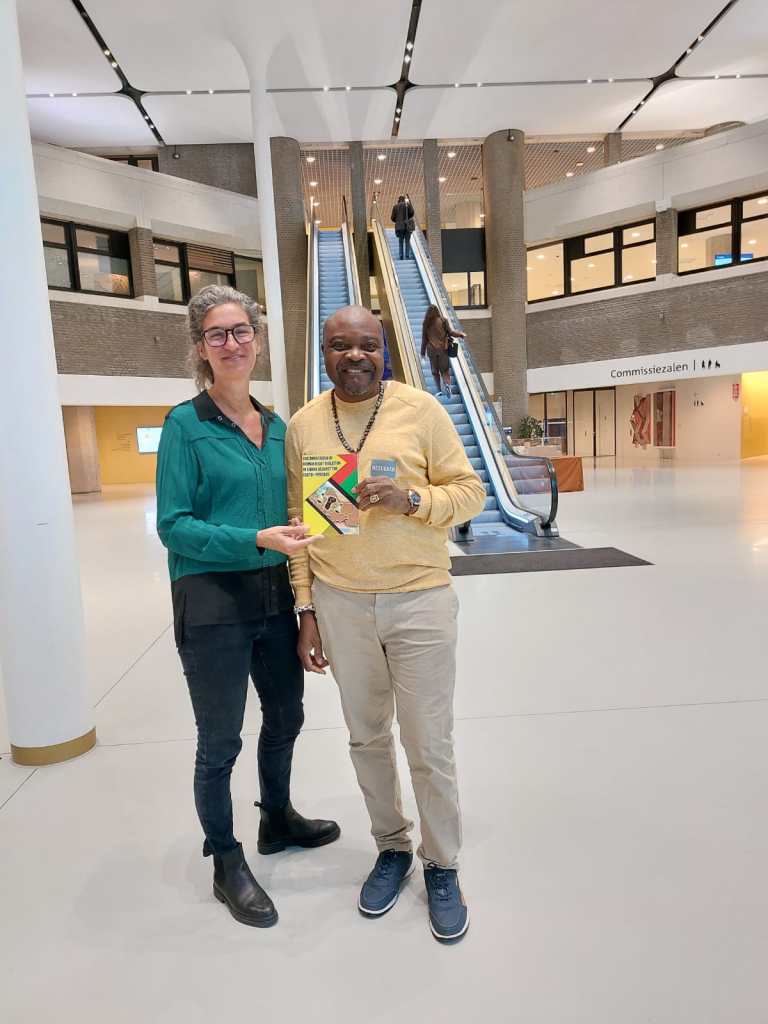
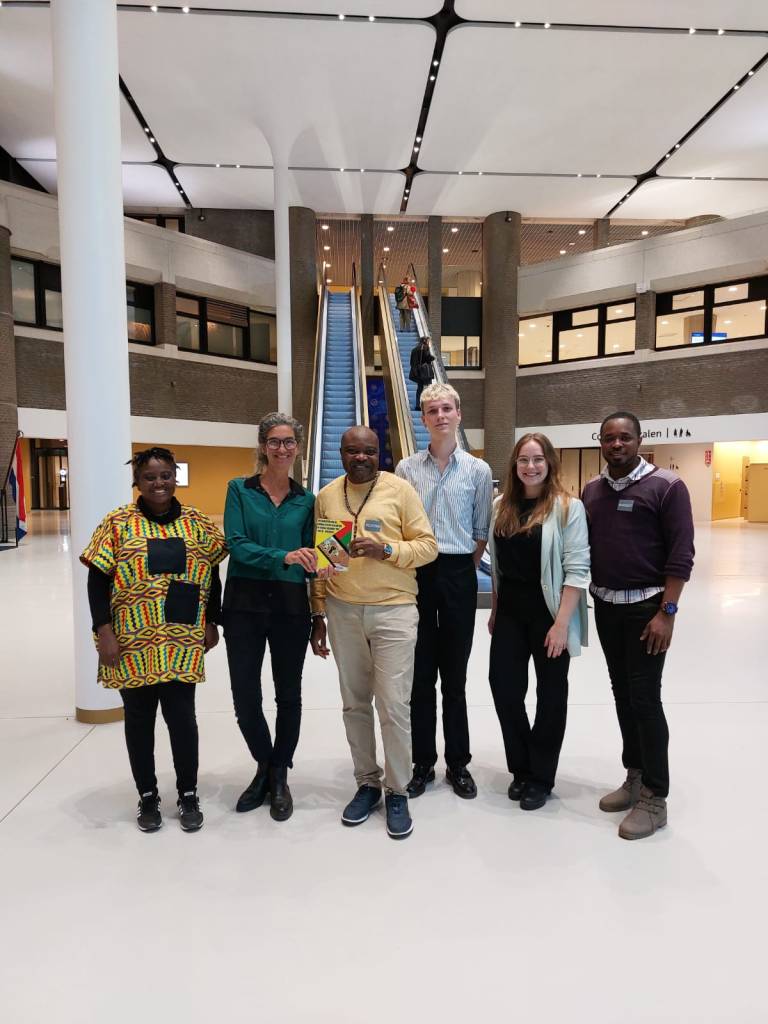
The executive director of IDNOWA and some members were invited by its partners , the Protestant Church in The Netherlands one a week. The purpose of the visit is an exchange program with the aim to meet with different organisations and inform relevant bodies of the Protestant church as well as the general public in the Netherlands about the threatening human rights situation of LGBTIQ people in Ghana, and Nigeria. A second purpose is to improve the partnership between Kerk in Actie and the Interfaith Diversity Network of West Africa (IDNOWA).
During the visits the IDNOWA team met with the religious, parliamentarians and several civil society organizations.
Davis Mac-Iyalla preached an amazing sermon on Sunday 15th September at Nieuwe Kerk, Groningen. He centred his message on Dead Faith and Suffering and encouraged the congregation to use their faith to reshape the world around them by speaking out against all forms of injustice and discrimination.






 Interfaith Diversity Network of West Africa