Blog

A Nigeria-born Anglo-Catholic Reflection on Communion, Courage, and Christ-like Leadership

By Nana Davis Mac-Iyalla, Knight, Lay Minister, and Advocate for Inclusion

The Church of England’s election of a woman to the post of Archbishop of Canterbury is more than a milestone—it is a Spirit-led affirmation of dignity, courage, and inclusion. It signals a Church willing to listen, evolve, and honor the gifts of all its members. As a Nigeria-born Anglo-Catholic, I receive this moment with gratitude and hope.

Yet once again, the response from the Nigerian Anglican Church has been disappointing. Rather than engaging with the Spirit’s movement, we are met with political statements lacking theological depth and Christ-like humility. These reactions do not reflect the urgency of Nigeria’s realities, nor do they offer healing to a fractured communion.

Let us speak plainly: the Anglican Communion has long been broken. The African bishops who chose to walk away rather than engage in Spirit-led reconciliation must now stop issuing empty declarations. Silence would be more dignified than statements that wound rather than heal.

Every time the Mother Church listens to the Holy Spirit and moves toward justice, some respond with fear, not faith. But fear cannot lead. Posturing cannot heal. And proximity to tradition without discernment is not holiness—it is stagnation.

As a Knight, Lay Minister, and advocate for inclusion, I call on my fellow Africans in the Communion to reflect deeply. Let us return to the heart of Christ. Let us lead with courage, not condemnation. Let us stop performing division and start embodying grace.

This is not a time for noise.  

This is a time to listen.

Blog, Press

Kano Cleric Apologises To Bauchi Gov’t Over False Claim On Homosexuality

Kano Cleric Apologises To Bauchi Gov’t Over False Claim On Homosexuality (leadership.ng)
A Kano-based Islamic cleric, Sheikh Abdullahi Gadon Kaya has apologised to the Bauchi State government over a misinformation he propagated during one of his recent preaching sessions where he claimed that homosexuals across the country converged in an undisclosed hotel in the state to commit sodomy.

He also alleged that the homosexuals rented the hotel at a whooping sum of N100,000,000 for a 10-day event.

However, renouncing the claim, Gadon Kaya said he was wrongly informed by someone in Bauchi State who called him on phone to inform him about the supposed gathering of homosexuals.

LEADERSHIP reports that the allegation generated uproar in the state, leading to the cleric’s invitation by the Bauchi State Shariah Commission to give evidence of the claim.

Following the invitation by the commission, Gadon Kaya came out in a viral Facebook video monitored by our correspondent on Wednesday, debunking his previous allegations.

According to him, security agents had conducted thorough investigations on the matter but found it to be false.

He begged the Bauchi State government and security agencies for the misinformation, stressing that he was misled by someone whose identity he declined to reveal.

“I apologise to the government of Bauchi State and the security agents; and I want to state that I did not mean to hurt anyone with that misinformation. In the course of preaching, one may say something correctly or incorrectly at times”, he said.

Davis Mac-Iyalla, Executive Director,  Interfaith Diversity Network said, “I am glad he has apologies after being found out for speaking dangerous rumours against the LGBT+ community and their allies but I believe he should have gone further to preach tolerance and inclusion. Many LGBT+ Nigerians have been violently attacked and some forced to flee the country as a direct result of fake rumours like this from religious and traditional leaders.  fearing for their safety and security. 

IDNOWA will continue to work with stakeholders and state actors advocating for the human rights and freedom of LGBT+ people in Nigeria, and West African in general. 

Blog, Press

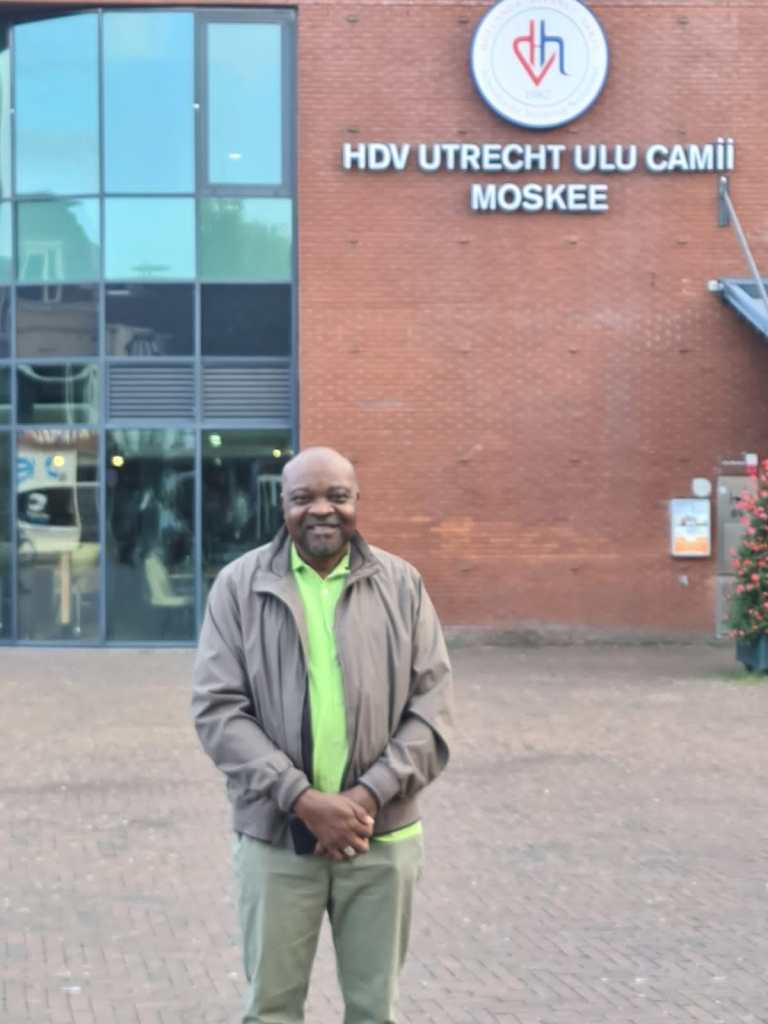
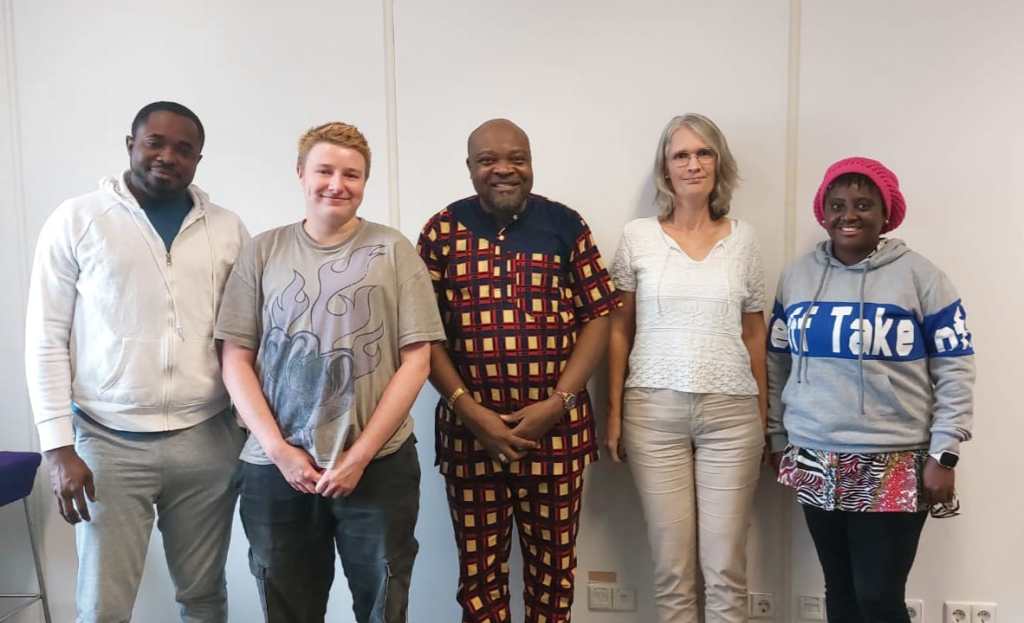
IDNOWA visit The Netherlands

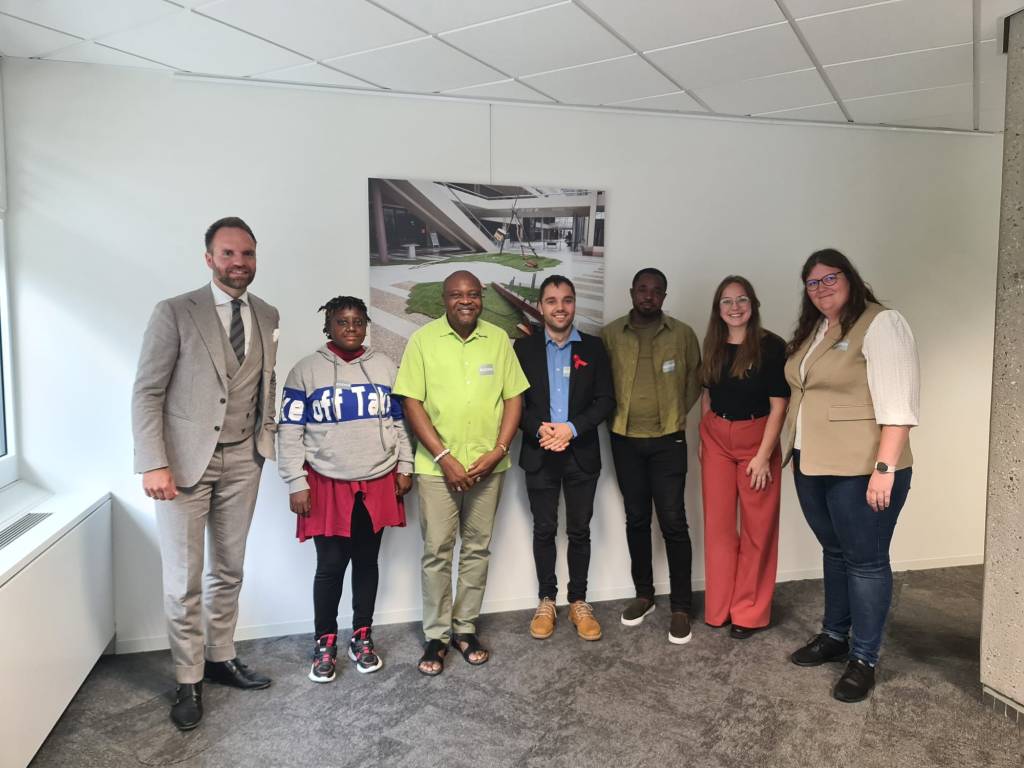
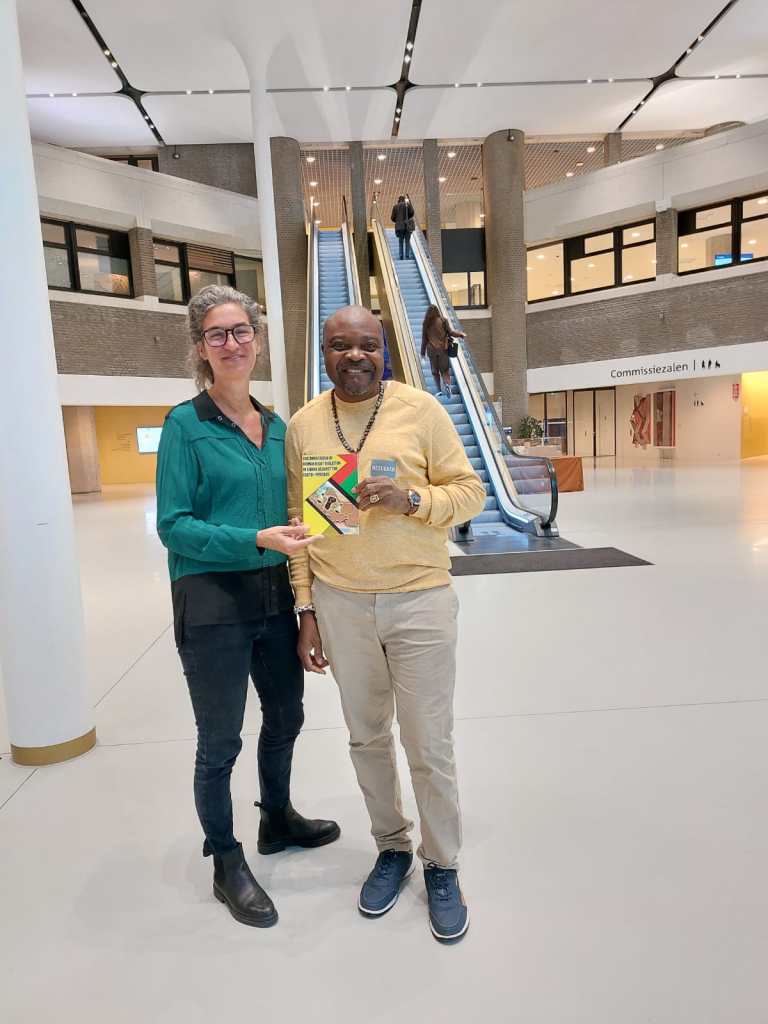
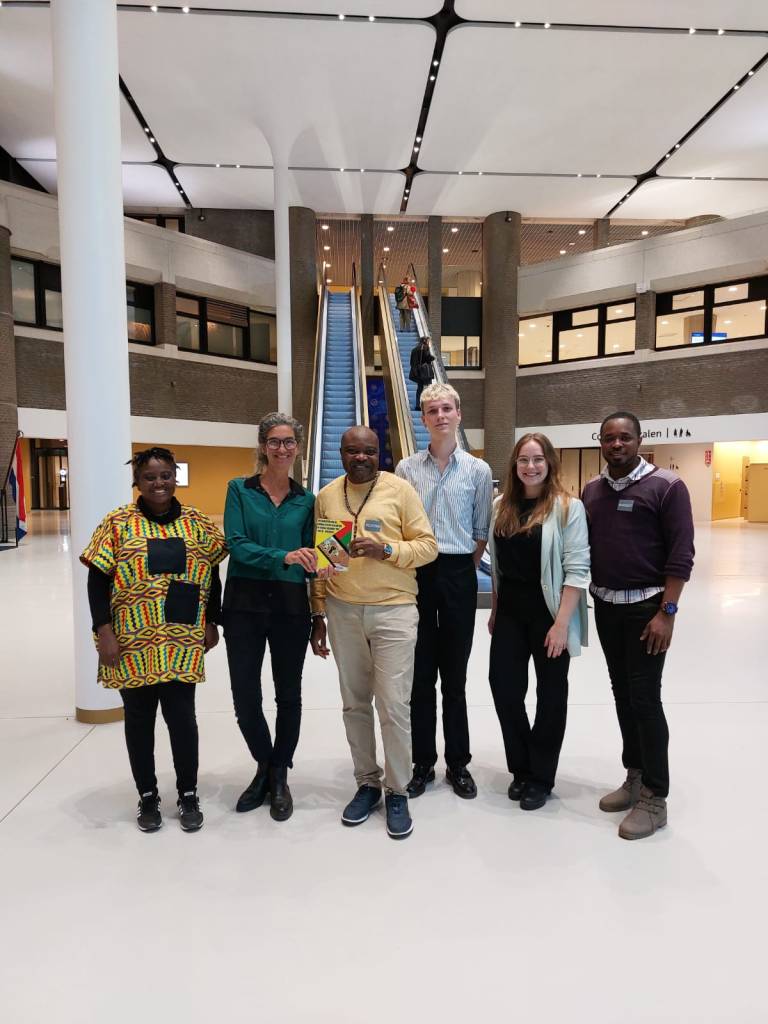
The executive director of IDNOWA and some members were invited by its partners ,  the Protestant Church in The Netherlands one a week.  The purpose of the visit is an exchange program with the aim to meet with different organisations and inform relevant bodies of the Protestant church as well as the general public in the Netherlands about the threatening human rights situation of LGBTIQ people in Ghana, and Nigeria. A second purpose is to improve the partnership between Kerk in Actie and the Interfaith Diversity Network of West Africa (IDNOWA).  

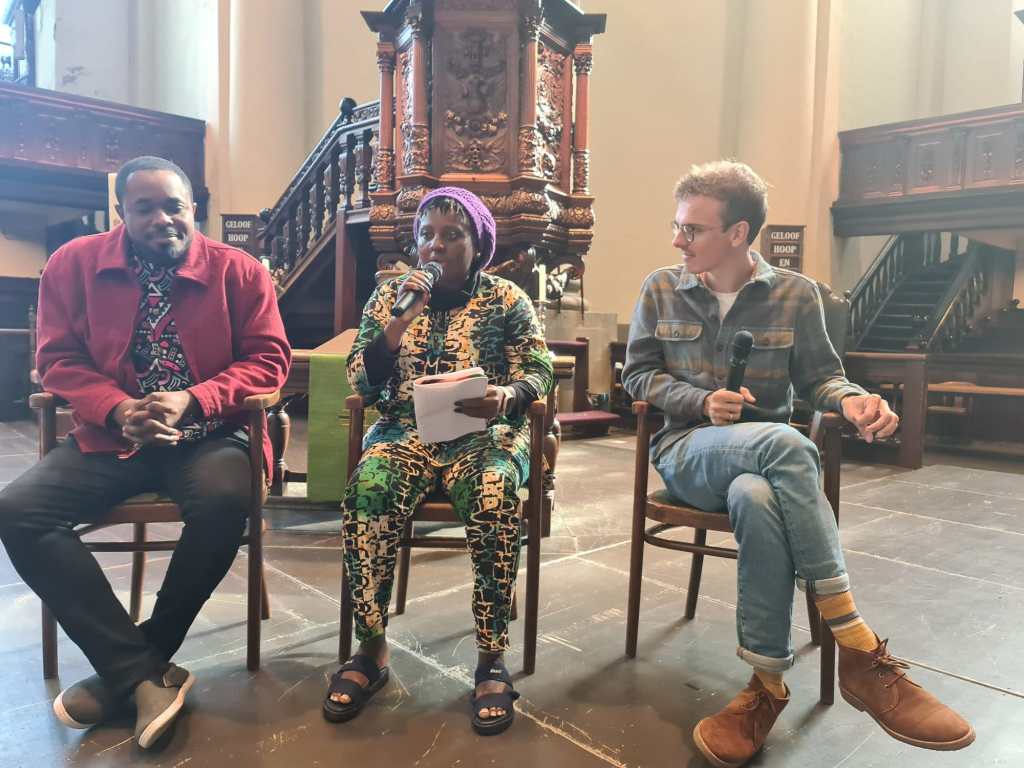
During the visits the IDNOWA team met with the religious, parliamentarians and several civil society organizations.  

Davis Mac-Iyalla preached an amazing sermon on Sunday 15th September at Nieuwe Kerk, Groningen. He centred his message on Dead Faith and Suffering and encouraged the congregation to use their faith to reshape the world around them by speaking out against all forms of injustice  and discrimination. 

Blog, Press

Nigeria-EU deal sparks false claims over LGBT rights

  • Global disinformation team
  • Originally posted on BBC News

LGBT people already live in fear in Nigeria, where same-sex relationships are illegal – now widespread misinformation about a European Union partnership pact has whipped up further hostility towards the community.

The Samoa Agreement – signed by Africa’s most-populous nation in June – is a co-operation deal between the EU and 79 countries from Africa, the Caribbean and the Pacific.

The 403-page pact does not mention LGBT rights or same-sex relationships at all – yet many Nigerians believe that by signing it the West African nation has automatically legalised same-sex relationships.

The claims went viral last week when a piece published by Nigeria’s Daily Trust newspaper falsely alleged that the agreement forced underdeveloped and developing countries to recognise LGBT rights as a condition “for getting financial and other supports from advanced societies”.

Even if the agreement referenced such rights, it would still be impossible for the provisions of any international agreement signed by Nigeria to automatically result in changing the law, Nigerian lawyer Ugo Egbujo explained

Under current legislation, adopted a decade ago, same-sex couples face up to 14 years in prison.

“The only way to domesticate a law is to bring it to the National Assembly, where members must deliberate and vote to adopt it. Without doing this, it isn’t a law nor is it justiciable nor enforceable,” Mr Egbujo told the BBC.

“We have clear legislation on same-sex marriage and since its establishment in 2014, it has not been touched. Signing a multilateral agreement will not automatically change that.”

Has the government reacted?

Yes, it says it would never compromise its anti-LGBT laws and that it signed the agreement to boost the country’s economic development.

The Nigerian Bar Association has also scotched rumours that there was a provision in the agreement requiring the country to accept LGBT rights as a pre-condition for a $150bn (£116bn) loan – adding there was no reference to any loans in the deal.

The EU confirmed to the BBC the deal did not include any dedicated funding for Nigeria but there was €150bn ($163bn, £126bn) available to Africa, under a scheme known as Global Gateway, aimed at boosting “smart, clean and secure links in the digital, transport, energy and climate-relevant sectors” and strengthening education.

Despite these clarifications, opposition supporters have weaponised the fake news to attack the government and to whip up anger around the contentious issues of religion, ethnicity and politics.

President Bola Tinubu and Vice-President Kashim Shettima, who are both Muslims, have been accused of betraying their religion.

The false story is trending across social media and has become the leading subject of debate for influencers and political commentators.

How has the LGBT community been affected?

Hate speech has increased, according to Bisola Akande, a senior programmes officer for a local LGBT group who requested her name be changed.

“We came under attack with our details posted online. We had to shut down our website and are trying to protect ourselves,” she told the BBC.

Wise, a human rights organisation based in the northern city of Kano, has been the subject of online attacks – forcing it to take down its website and lock its social media pages.

Social media accounts for staff have also been deactivated, protected or made private, one of its representatives told the BBC.

The fury against Wise has been prompted by footage resurfacing of one of its events held a few years ago at which an official belonging to the city’s Hisbah police, a unit which enforces Sharia or Islamic law, speaks in support of LGBT rights.

It has led to the official in question being arrested this week – despite his protestations that his remarks, made during an interview, were intended to be in support of women’s empowerment.

Female Nigerian TikTokers who post pictures of themselves with other women – even if a sister or friend – have also become the target of homophobic abuse with derisive comments condemning their supposed sexual orientation.

When were concerns about the deal first raised?

It can be traced back to lawyer Sonnie Ekwowusi, who wrote an opinion article in Nigeria’s Vanguard newspaper last November urging the Nigerian government not to sign the Samoa Agreement, calling it “the deceptively and euphemistically crafted LGBT agreement between the EU and ACP [African, Caribbean and Pacific] countries”.

The EU admitted there were concerns about LGBT issues when about 30 countries, mostly African and Caribbean nations, including Nigeria, initially failed to sign the pact last year.

They had wanted to check whether the deal “would be compatible with their legal order, notably as regards same-sex relations and sexual health and rights”, the EU said.

“This move surprised several commentators, as the wording on these topics does not go beyond existing international agreements,” an EU parliament briefing document published in December said.

In fact “as a matter of compromise” it had been agreed that signatories would commit to the implementation of existing international agreements as some African, Caribbean and Pacific (ACP) states had been “reluctant to see the foundation agreement mention sexual orientation and gender identity (LGBTI rights)”, it continued.

The Nigerian government went on to study the wording and agreed – saying in a declaration that it was consistent with Nigeria’s laws and other commitments.
Ambassador Obinna Chiedu Onowu represented Nigeria to sign the Samoa Agreement at the OACPS Secretariat in Brussels - 28 June 2024
Image caption,Nigeria’s ambassador to Belgium – Obinna Chiedu Onowu – signed the Samoa Agreement at the OACPS Secretariat in Brussels

Nigeria’s economic planning minister explained the Samoa Agreement had been signed on 28 June 2024 after being subject to extensive reviews and consultations by the country’s inter-ministerial committee.

Did this satisfy the critics?

No, Mr Ekwowusi reignited the flames of controversy several days later in his article published in the Daily Trust, which said that “certain articles of the agreement, especially articles 2.5 and 29.5, legalise LGBT, ‘transgenderism’, abortion, teen sexual abuse, and perversity in African countries”.

However, the content of these articles does not support this:

  • Article 2.5 reads: “The Parties shall systematically promote a gender perspective and ensure that gender equality is mainstreamed across all policies.”
  • Article 29.5 reads: “The Parties shall support universal access to sexual and reproductive health commodities and healthcare services, including for family planning, information and education, and the integration of reproductive health into national strategies and programmes.”

In an interview with the BBC, Mr Ekwowusi maintained his allegations.

“Gender equality” was a euphemism used by the EU to encompass sexual and LGBT rights and “reproductive health” was a euphemism for abortion and contraceptives, he said.

He admitted the pact could not override Nigerian legislation, but suggested tighter language was needed.

“We are advocating that they put a definition clause so that we know what the terms are. Define gender, define gender equality, define sexual reproductive health,” Mr Ekwowusi said.

What is the Samoa Agreement?

It is a legal framework for relations between the EU, a major provider of development aid, and 79 members of the Organisation of the African, Caribbean and Pacific States (OACPS).

It lays down common principles for around two billion people around the world to address global challenges together.

Respect for human rights, democratic principles and the rule of law constitute an essential element of the agreement, but it also encompasses areas like sustainable economic growth, climate change and migration.

The EU briefing document admitted that in some areas the wording fell short “of the EU negotiators’ ambitions”.

It replaces a previous EU partnership deal – the Cotonou Agreement – adopted in 2000 which aimed to reduce and eventually eradicate poverty.

Blog, Press

69 people arrested over ‘gay wedding’ in Nigeria freed on bail

As reported by Sky News – https://news.sky.com/story/69-people-arrested-over-gay-wedding-in-nigeria-freed-on-bail-12965128

A police spokesman said the men and women were arrested “for allegedly conducting and attending a same-sex wedding ceremony”, before adding that homosexuality “will never be tolerated” in Nigeria.

Sixty-nine people arrested after Nigerian police raided an alleged gay wedding have been released on bail.

They were arrested last month in one of the biggest mass detentions targeting homosexuality in Nigeria, where gay weddings are illegal.

A court in Warri, Delta state, ruled on Tuesday that those being held would be freed after each posting 500,000 naira (£520) bail. State prosecutors opposed the move.

The detainees, who did not appear in court, were also ordered to sign a register once a month until their next hearing, according to their lawyer Ochuko Ohimor.

The arrests happened after a tip-off in a police interrogation of someone who allegedly knew about the event, police said.

Officers stormed a hotel in Ekpan where the alleged gay wedding was being held and initially arrested 200 people.

Police spokesman Edafe Bright said at the time: “The policemen chased and arrested… suspects both male and female for allegedly conducting and attending a same-sex wedding ceremony.”

The spokesman added that homosexuality “will never be tolerated” in Nigeria.

Amnesty International’s Nigeria office condemned the arrests and called for “an immediate end to this witch hunt”.

Nigeria brought in an anti-gay law in 2014 and generally sees homosexuality as immoral on cultural and religious grounds. Some other countries in Africa also share these views.

The legislation in Nigeria includes a prison term of up to 14 years for those convicted under the Same Sex Marriage Prohibition Act, and bans gay marriage, same-sex relationships, and membership of gay rights groups.

Cross-dressing is not illegal but tends to not be socially acceptable.

Blog, Press

Response to the Statement by the Archbishop of Canterbury regarding comments by the Primate of Nigeria

Interfaith Diversity Network of West Africa welcomes the Archbishop of Canterbury statement calling the Nigerian Anglican Primate to order over his used of unchristian and uncharitable words to describe homosexual people. (See below)

The statements made by the Nigeria primate, Most Reverend Henry C Ndukuba, is totally unacceptable and should be denounced by all bishops of the Anglican communion. The statement goes on to use phrases like, “[homosexuality] is likened to a Yeast that should be urgently and radically expunged and excised lest it affects the whole dough.” It also states that “secular governments are adopting aggressive campaign for global homosexual culture.” (sic)

Davis Mac-Iyalla executive director of IDNOWA affirms once again, our goal to live our lives as LGBTQI persons in moral integrity without being threatened by criminal law or by the blackmailing that results from it; without being forced to hide our true selves and our love from our families and neighbours; without being driven into heterosexual marriages to conceal our sexual identity; without being excluded from education and from health services, without being condemned in sermons; without being excluded from the parishes we belong to.

Davis Mac-Iyalla
Executive Director

______

Statement by the Archbishop of Canterbury regarding comments by the Primate of Nigeria

05/03/2021

The Archbishop, Metropolitan and Primate of All Nigeria, the Most Reverend Henry C Ndukuba, issued a statement on Friday 26 February 2021 which referred to “the deadly ‘virus’ of homosexuality”. The statement goes on to use phrases like, “[homosexuality] is likened to a Yeast that should be urgently and radically expunged and excised lest it affects the whole dough”. It also states that “secular governments are adopting aggressive campaign for global homosexual culture.” (sic)

I completely disagree with and condemn this language. It is unacceptable.It dehumanises those human beings of whom the statement speaks.

I have written privately to His Grace The Archbishop to make clear that this language is incompatible with the agreed teaching of the Anglican Communion (expressed most clearly, albeit in unsuitable language for today, in paragraphs c and d of resolution I.10 of the Lambeth Conference 1998). This resolution both restated a traditional view of Christian marriage and was clear in its condemnation of homophobic actions or words. It affirmed that “all baptised, believing and faithful persons, regardless of sexual orientation, are full members of the Body of Christ.”

The Anglican Communion continues to seek to walk together amidst much difference and through many struggles. I urge all Christians to join me in continuing prayer for the people and churches of Nigeria as they face economic hardship, terrorist attacks, religious-based violence and insecurity.

The mission of the church is the same in every culture and country: to demonstrate, through its actions and words, that God’s offer of unconditional love to every human being through Jesus Christ calls us to holiness and hope.

+Justin Cantuar:

The article can be found on the Archbishop of Canterbury’s Website

https://www.archbishopofcanterbury.org/news/news-and-statements/statement-archbishop-canterbury-regarding-comments-primate-nigeria?fbclid=IwAR0eb07vj8by3JbqQCAQvAQzc_x-rX-lX0EDSWKKkRcYEeeI2ksylfmpK8k

Blog, Press

A Response to the remarks made by Nigerian Catholic Priest Fr. Kelvin Ugwu On Why Homosexuals are allowed to marry in Catholic Church

Recently Fr. Kelvin Ugwu, a Nigerian Catholic Priest spoke out about his views of Gay marriage .

It was a very confusing article from the go with Fr Kelvin saying that being homosexual is not normal and that such people need help.  Later in the article he says he does not think homosexuals should be condemn but then spends the rest of the article doing just that.

Fr. Kelvin says he has done extensive research on the topic of homosexuality but he only ever quotes from articles and research from the early 70’s and 80’s  which have all been superseded by much more modern thinking and research about the LGBT community. However, Fr. Kelvin completely disregards this more modern reports. He goes on to say that Pope Francis recent remarks on gay marriage and LGBT community in the church have been totally misquoted and misunderstood.

Fr Kelvin begins the article saying he feels forced to accept homosexual people but totally disagree with the notion that it is a natural behaviour for humans to be homosexual. He says that homosexuals like to justify their behaviour by comparing homosexual behaviour in animals. He does not believe this can be be used as an argument in favour of such behaviour in humans as normal.

Then again, I say, nor should the absence of homosexual animal behaviour be used as an argument that homosexuality among humans is ‘against nature’. Platon and Christian authors from antiquity have made such arguments before that form the basis of the ‘against nature’ argument.

Interestingly, Fr Kelvin does not speak in terms of ‘against nature’, but writes, ‘not normal’. The word normal in fact has 2 meanings: the average and then also the normative. Fr. Kelvin does not make it clear about which meaning he is referring to.

Fr Kelvin says he ‘stumbled’ on a manual of mental disorders published in 1968 by the APA (American Psychiatric Association) which says that homosexuality is a mental disorder. He says that gay activists ‘threatened APA with strong words’ to make them remove this which they did in 1973.

Fr Kelvin is using a myth. No member was ever forced to vote for the removal of homosexuality as a mental disorder; they responded to a change of social reality which made them understand that homosexuals are mentally completely functioning. Is Fr. Kelvin insinuating that lesbian and gays are mentally ill? In Germany, they compared this kind of collective understanding with that of the hunting of witches, which was also based on irrational myths and beliefs.

Fr. Kelvin talks about actions that former US President Obama did to Uganda over their anti-gay laws.  He never elaborates what actions he is talking about nor do I remember what he did, but I do know that Obama acted against the death penalty for same-sex sexual acts. Fr Kelvin does not mention this grave punishment at all. Why is he silent about this? He, instead, uses simple anti-colonial rhetoric by connecting anti-homosexual statements found on Facebook with access to visas.

Fr Kelvin seems to believe that Pope Francis has been misquoted. He wants to make us believe that the Pope is just a nice guy to everybody; that the Pope has no clear understanding of what he says. He does not take into consideration that Francis did really want to say what he said. By this, Fr. Kelvin shows no respect to the Pope.

In addition, as a Catholic priest, Fr. Kelvin says nothing on what he, himself does to welcome LGBT people in his own parish. What kind of pastoral care does he offer to them? How does he follow the numerous examples that Pope Francis has given?

A recent article in Independent Catholic News (Matthew Charlesworth SJ- https://www.indcatholicnews.com/news/40759) talks about a new documentary by Evgeny Afineevsky entitled ‘Francesco’ in which the Pope is reported to say, ‘Homosexual people have a right to be in a family … They are children of God and have a right to a family. Nobody should be thrown out or made miserable over it.’

This is obviously a continuity of the opinion that the pope holds on civil unions because he already supported them when he was archbishop in Buenos Aires. He considers same-sex couples in the framework of the family and accepts that they need to have rights in order to live undisturbed.

Fr. Kelvin, on the other hand, does not come close to understanding this perspective at all.  He does not use the framework of human rights when it comes to LGBT people.

But I do agree on one thing that Fr. Kelvin says at the end of his report, indeed do ‘pray for your Christian Leaders’ and do ‘prayer for the Pope.’ However, I suspect I might well be praying for a very different outcome.

Davis Mac-Iyalla
October 2020