Blog, Events, Press

IDNOWA Executive Director Reflects on the Pan Africa ILGA Conference

 I consider it a great honour to have participated and represented IDNOWA at the just-concluded Pan Africa ILGA (PAI) Conference in Johannesburg, South Africa.  

The theme of the conference, UNBREAKABLE, resonated deeply with me—both personally and in the work we do at IDNOWA. In the face of the growing rise of anti-rights and anti-gender groups, movements, and cooperatives, many of us have been resisting to the point of reaching breaking limits. Yet, through the true values of community spirit and Ubuntu, we remain strong and focused.  

Throughout the conference, I engaged in several workshops and panels—sometimes as a speaker, other times as a listener. From my arrival to my departure, there was no wasted time; it was serious business of human rights and advocacy.

At the Annual General Meeting (AGM), nearly 150 registered members contributed to discussions on issues affecting our continent and beyond. We also elected new Board Members who will pilot the affairs of PAI alongside the Secretariat for the next three years.

IDNOWA particularly thanks and appreciates Nate Brown and the outgoing Board for demonstrating leadership even in the midst of serious divisions, and for hosting one of the best PAI conferences to date. We especially commend Nate Brown for using his platform to raise the issues of bullying, harassment, and their mental impacts—not only on himself but on his entire team.

While a few participants came with biased agendas to discredit others and the Secretariat, the majority of conference participants stayed focused on the goals. Accountability was clearly demonstrated at every stage, and IDNOWA was impressed.

We encourage the incoming PAI Board to demonstrate inclusive leadership that works for all of us. Everyone must be safeguarded—including our members, the Secretariat, and its leader, Nate Brown. Let us not leave anyone behind.

Nana Davis Mac-Iyalla 

 Executive Director, IDNOWA

Blog, Events, Press

Affirmation of Completion and Celebration

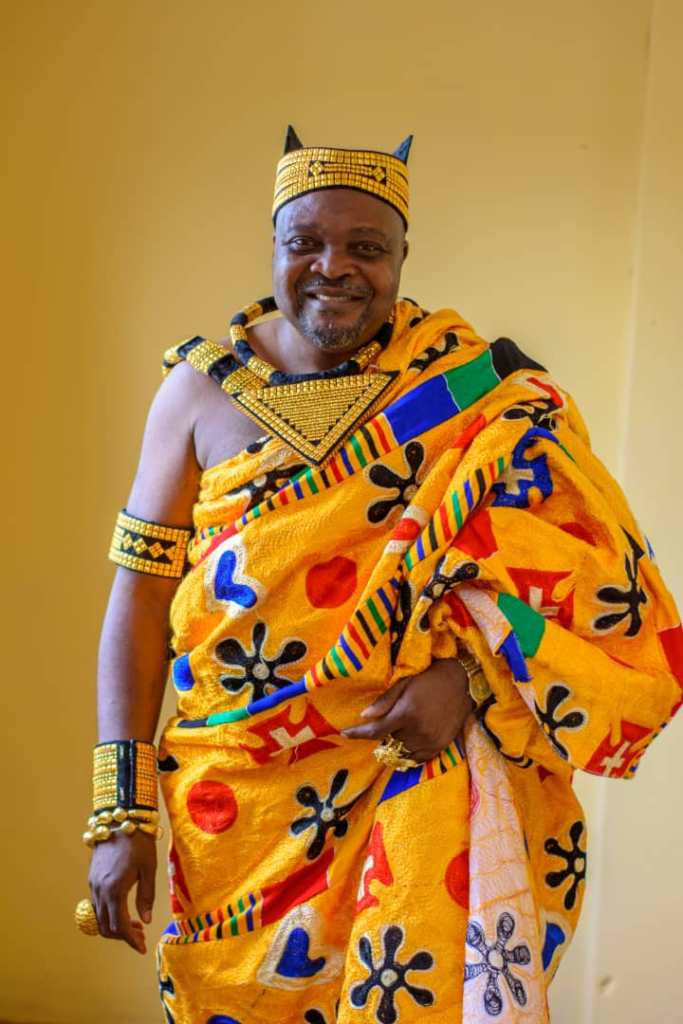
by Nana Davis Mac-Iyalla

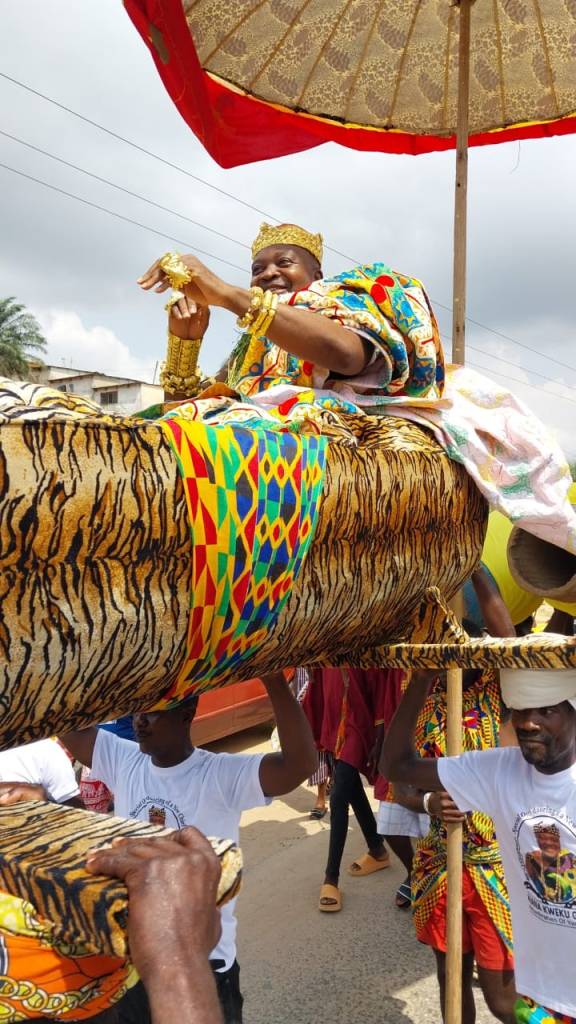
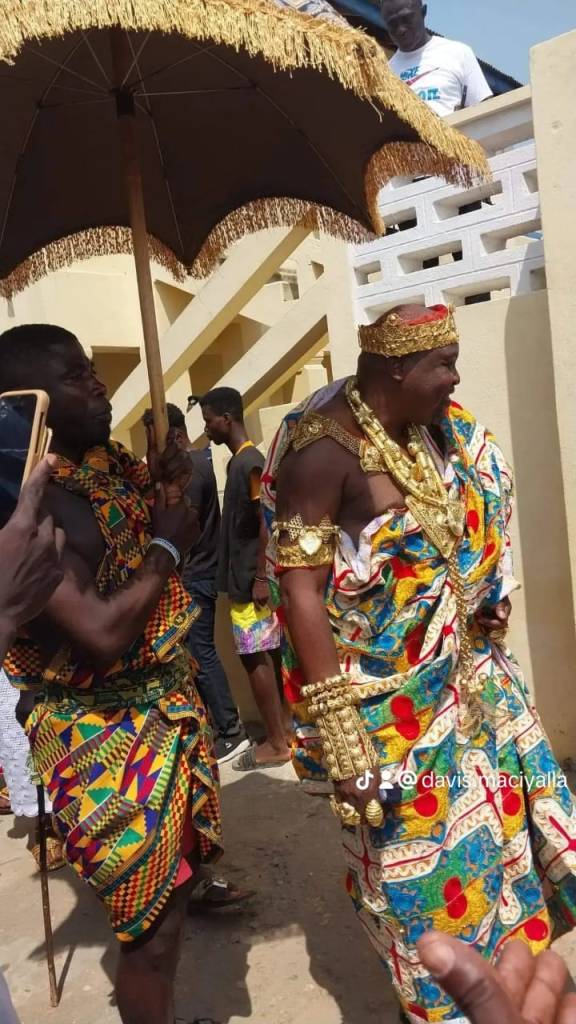
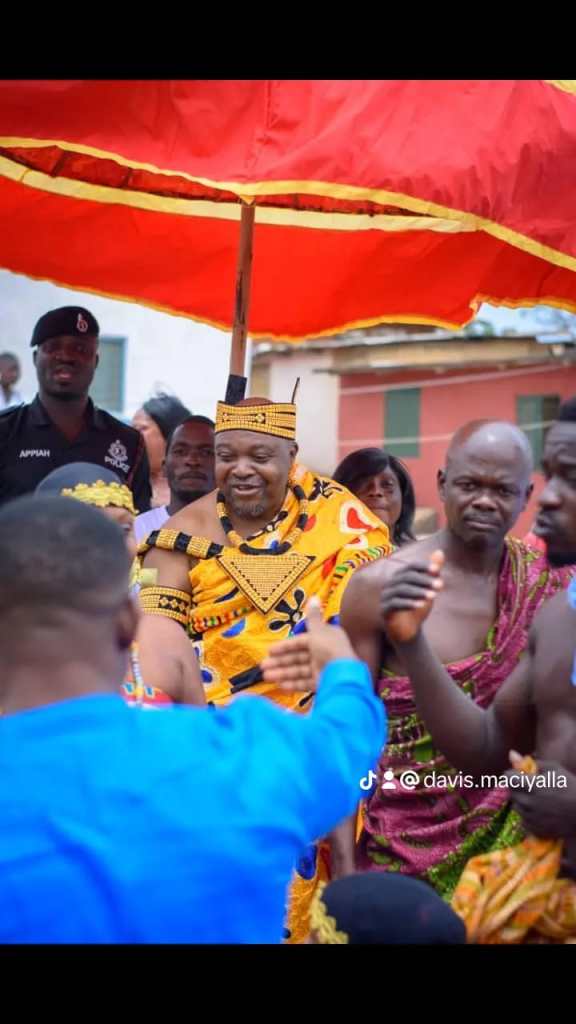
  The palanquin held itself together—not by chance, but by sacred design. 

It bore me with dignity, shielding me from the arrows of envy and the winds of betrayal. 

The ancestors decreed: I am complete. The process was sealed. And so it was done—despite every negativity, every attempt to topple me.

 I did not fall. I did not fracture. I rose, consecrated. 

I hold the evidence. I carry the records. Not as a burden, but as a covenant. 

The ancestors enable me to remember, to protect, to proclaim.  

I am not a survivor—I am the sanctified witness. 

I am not a stranger—I am the keeper of truth.

Now, as the festival season ripens, I am being remembered. Remembered not for survival alone, but for the grace and victory I have achieved. 

I have assembled the drums. 

The rhythm is ready.

 It is time to dance to the tune of triumph. 

Time to move in the cadence of completion. 

Time to celebrate what could not be undone.

Blog, Events, Press

IDNOWA Affirms African Presence and Spiritual Resilience at GNRC 5th Assembly

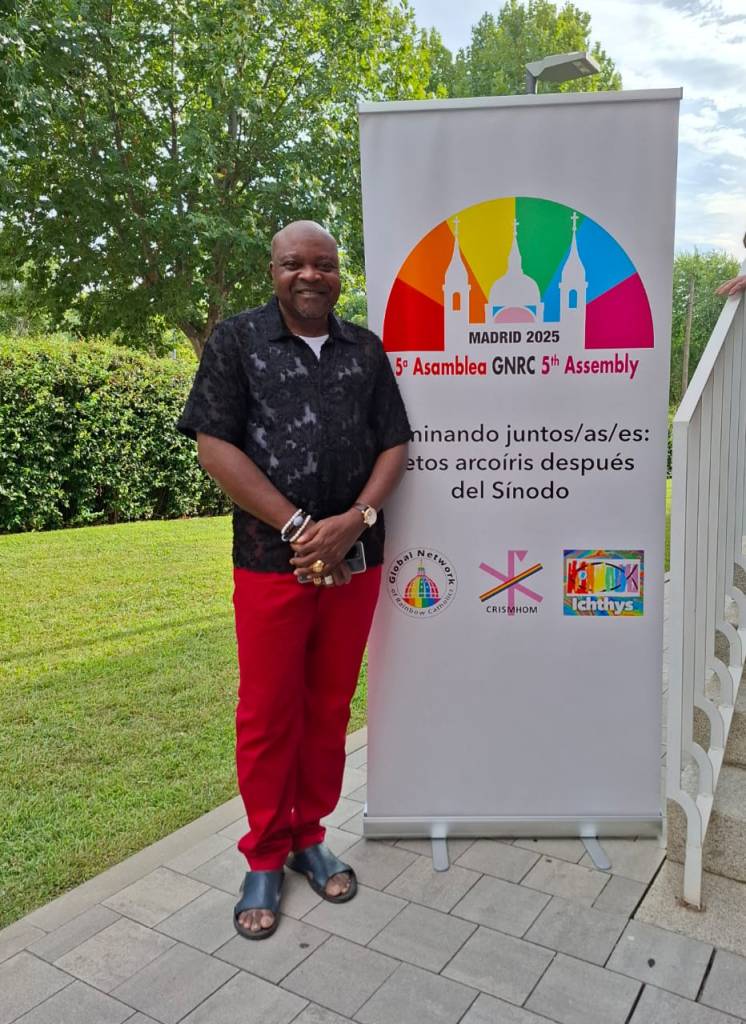
Interfaith Diversity Network of West Africa (IDNOWA) Date: August 25, 2025 Location: Madrid, Spain

The Interfaith Diversity Network of West Africa (IDNOWA) proudly participated in the 5th Assembly of the Global Network of Rainbow Catholics (GNRC), held in Madrid, Spain. This landmark gathering brought together LGBTQ+ Catholics and allies from across the globe to reflect, pray, and strategize for a more inclusive Church.  

 Africa was not only present—it was central. Through the leadership of Executive Director Nana Davis Mac-Iyalla, IDNOWA amplified the voices of queer Africans whose faith journeys are often marked by courage, resistance, and deep spiritual conviction.

Key Themes from IDNOWA’s Participation

  • Ubuntu in Action: Davis Mac-Iyalla reminded delegates that African spirituality is rooted in community, dignity, and ancestral wisdom.
  • Faith Without Borders: IDNOWA called for a Church that embraces all identities, rejecting colonial-era doctrines that criminalize love.
  • Solidarity Across Continents: African delegates joined hands with Latin American, European, and Asian allies to affirm that inclusion is not optional—it is sacred.Quote from Davis Mac-Iyalla

  “We do not simply work—we serve. Our advocacy is not a task, but a calling. Africa’s queer faithful are not asking for permission to exist. We are declaring our sacred place in the story of God.”

IDNOWA’s presence at GNRC 2025 marks a powerful step toward global solidarity and theological renewal. The network remains committed to building bridges between faith and justice across West Africa and beyond.

For media inquiries, contact: 

 interfaithdiversitynowa@gmail.com

Blog, Events, Press

IDNOWA visits the Centre for Religion and Public Life, Ghana

IDNOWA’s Executive Director, Davis Maclyalla paid a courtesy visit to the Executive Director and staff of the Centre for Religion and Public Life Ghana in their Accra office on Tuesday, 30th January 2024. IDNOWA visited the centre to discuss collaboration and to explore avenues for providing inclusive, safe, and pastoral care for marginalised people in Ghana, mostly the LGBT+ people. IDNOWA was well received, and we presented the CRPL-Ghana team with copies of our booklet, where we have documented the violation of the human rights of LGBT+ persons in Ghana. There is much evidence to engage parliamentarians and government to state why the anti gay bill shouldn’t be passed .

Blog, Events, Press

West African Lesbian, Bisexual and Queer (LBQ) Women Share Their Stories  

When IDNOWA launched the inaugural Lesbian, Bisexual and Queer Women’s Caucus last year we had no idea how popular it would be. As the caucus begins to organize we are amazed at the amount of interest and participation we received across Ghana and beyond.

The IDNOWA caucus for LBQ Interfaith Women is the only of its kind in Ghana, and the interest in the caucus projects proved that many have known for a long time: it is desperately needed. The stories have made it clearer for us to see and understand that More attention needs to be paid to LBQ women’s issues, and we need to find ways to create opportunities to have conversations about Women’s issues discussed and be supported at the centre of our advocacy.

IDNOWA LBQ Caucus is proud to be partnering with Outright International who provided funding and support for this project.   

 We hope to bring lbq women’s issues into focus. This caucus creates an opportunity for all of us to learn, share information and make connections, and we want to encourage all lbq women and allies to sign up for our newsletter for updates and information.

We sincerely thank all of our members and contributors for their time and commitment.

Read the stories here – STORIES OF  LBQ WOMEN IN GHANA

Blog, Events, Press

IDNOWA is Celebrating 6 Years

Who can believe it? It’s true. It’s been 6 years since the start of Interfaith Diversity Network of West Africa. Founder and current CEO, Davis Mac-Iyalla’s, remembers the humble start of the network; “There was never a conflict between my faith and my sexuality. I believe my sexuality is a gift from God which I am very gleeful for. The difficult part of my journey is the discrimination, condemnation and humiliation I faced from my church once my sexuality becomes public. I saw this was so true for so many LGBT+ persons in West Africa that I decided to start IDNOWA.”

It’s not been an easy ride, and Davis left his job and life in the UK to move to Ghana. He says, “Despite all these challenges, my God has been faithful to me and continues to assure me each day of my journey that he loves me unconditionally.”

Six years on, IDNOWA aims remains the same to work for the inclusion of diverse persons to create a world governed by respect and dignity. IDNOWA seeks a day where all persons irrespective of religious beliefs become great allies in the quest for a safe and free society for all humans.

Congratulations to all the members and workers of IDNOWA for all they do for the LGBT+ community in West Africa.

Here’s to next 6 years.

Blog, Events, Press

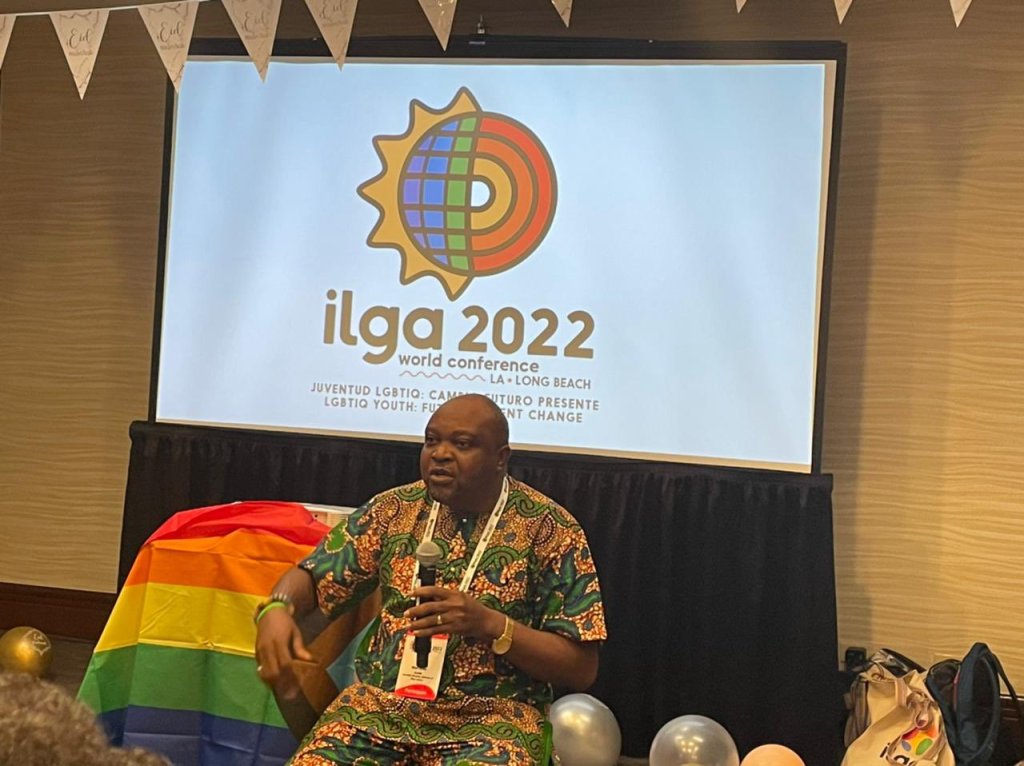
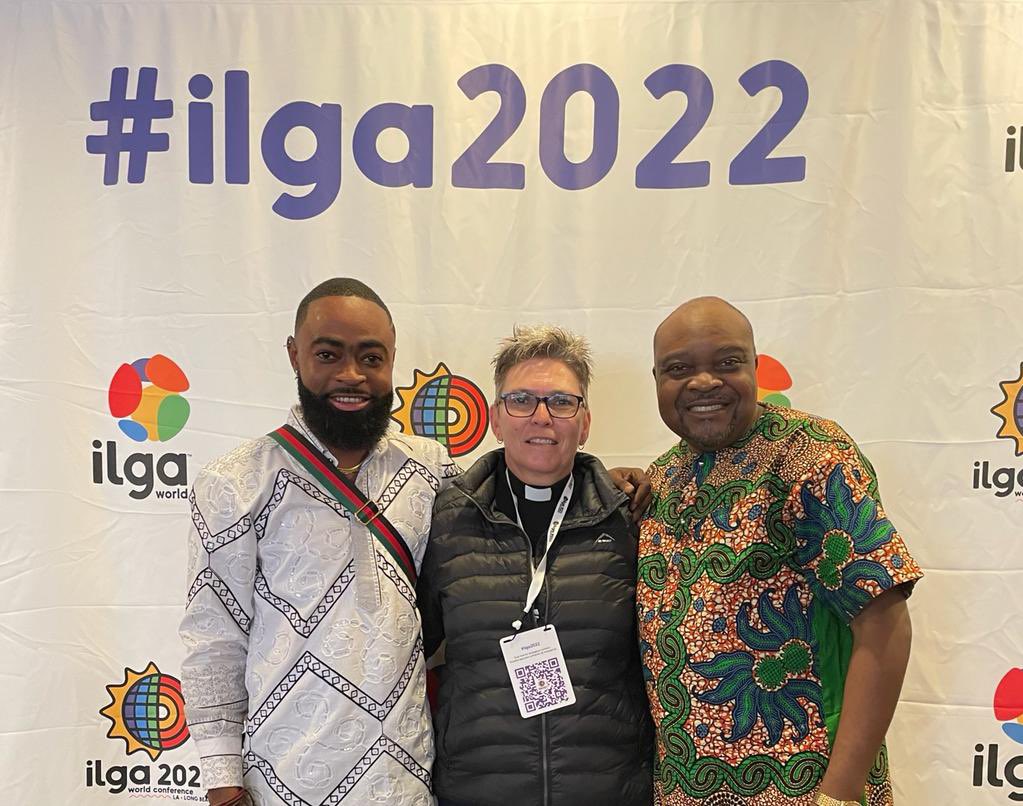
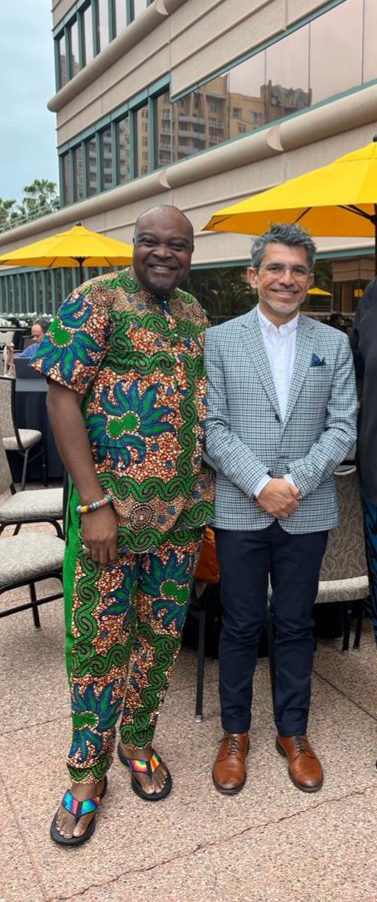
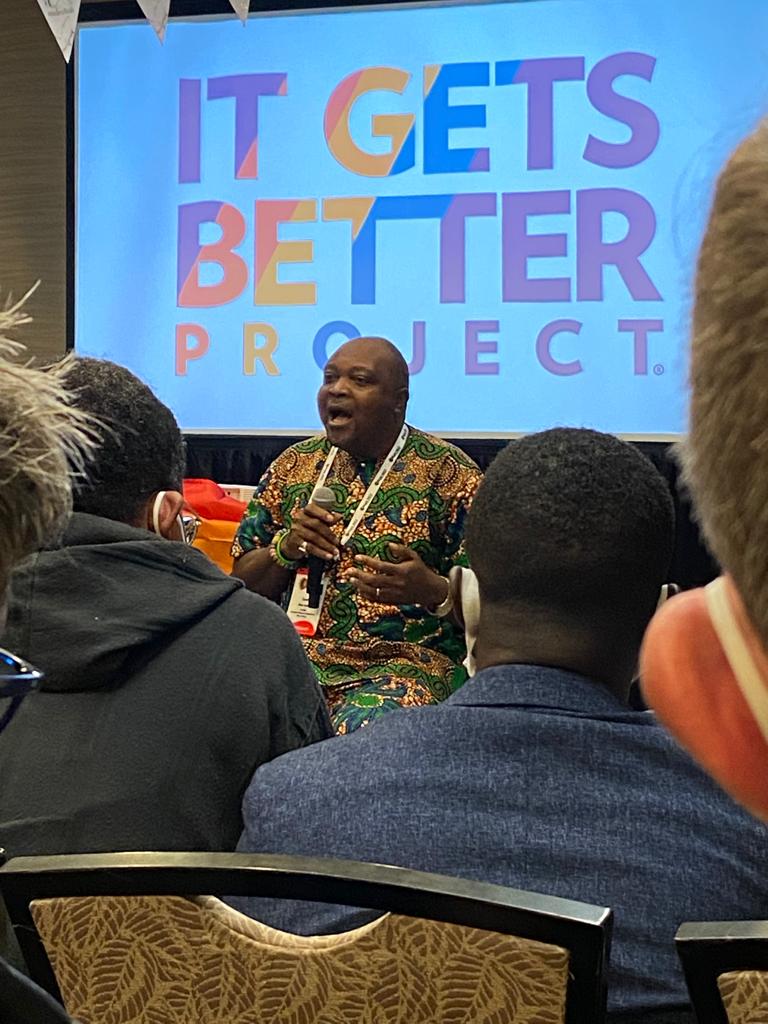
ILGA World Conference 2022.  Held 2-6 May 2022, Long Beach, California. 

IDNOWA Executive Director Davis Mac-Iyalla and Project Assistant Daniel  Uchechkwu represented the network at the world conference. 

The ILGA World Conference is a place to assess where our communities stand, share experiences and best practices, build alliances and partnerships, discuss the future of our movement, and collectively chart ways to advance equality worldwide. The 31st edition of the ILGA World Conference took place from 2 to 6 May 2022 in LA Long Beach, hosted by the It Gets Better Project under the theme LGBTIQ youth: future present change.

IDNOWA fully participated in the conference including speaking at the interfaith pre-conference organized by the Global Interfaith Network (GIN)

IDNOWA focused mostly on issues affecting the marginalized LGBTIQ+ community in West Africa such as social injustice, economic disparities, climate change, and criminalization based on sexual identities and orientations, to mention but a few of the deadly presence we are battling against. 

Blog, Events, Press

IDNOWA Presentation to Parliament, Thursday 17 February 2022

On Thursday 17th February, IDNOWA founder and Executive Director, Davis Mac-Iyalla, addressed the Constitutional, Legal and Parliamentary Affairs Committee of the Ghanaian Parliament about the proposed Promotion of Proper Human Sexual Rights and Ghanaian Family Values Bill 2021. You can watch the session via GBC youtube channel Davis starts his speech at 32 minutes.

Davis addressed the committee in a clear and appropriate manner. Pointing out the following:-

Violence against Ghanaian Citizens

This Bill codifies into law a spirit of mob violence and vigilantism that already stalks many parts of our land.

In recent years, sexual minorities in Ghana have been attacked by mobs, subjected to sexual assault, and subjected to intimidation and extortion. Human rights organizations have documented dozens of beatings, and arrests of sexual minority people in Ghana in the past seven years. Sexual minorities suffer entrapment and blackmail on social media. They are subjected to sexual assault, and subjected to intimidation and extortion.

For instance, “in August 2015 in Nima, Accra, a young man was allegedly brutally assaulted by members of a vigilante group known as Safety Empire, simply because they suspected he was gay. In May 2016 in a village outside Kumasi in the Ashanti region, the mother of a young woman organized a mob to beat up her daughter because she suspected the young woman was a lesbian. The girl and her friend were forced to flee from the village. … One woman said that when her family heard that she was associating with LGBT people, they chased her out of the house with a machete; since then, she has not been able to go back home to visit her two-year-old daughter. Another woman from Kumasi said that when her family suspected she was a lesbian, they took her to a prayer camp where she was severely beaten over a period of one month.” A young man from Kumasi told human rights monitors “that in 2016 he was raped by a man he had met on social media, but did not report the rape to the police out of fear that he would be arrested for having ‘gay sex’.”[i]

Sexual minorities in Africa are no strangers to hatred and violence. For their human rights work with sexual minorities, David Kato was murdered in Uganda; Fanny Eddy was murdered in Sierra Leon. This Bill enshrines hatred into law. It will increase stigma towards those who are viewed as different or non-conforming. It will legitimize hatred from neighbours, strangers, and police officers, and even from people within one’s own family. Meanwhile, the Ghanaian parents who I speak to are worried for their LGBTI children. They fear for the safety of their daughters and sons. Honourable Members, the law in Ghana already expresses the majority view of Ghanaians: that the sexual affection between males should be seen as a misdemeanour. This Bill only stigmatizes our fellow citizens and penalizes those who love and support them. It will instigate more violence. It will cause more social division when Ghanaians should be coming together to confront multiple crises: like COVID, debt, climate change, and regional instability. It will only inflame emotions, and deepen divisions.


[i] https://www.hrw.org/report/2018/01/08/no-choice-deny-who-i-am/violence-and-discrimination-against-lgbt-people-ghana

Respect for Sexual Diversity

Respect for gender diversity and sexual diversity has been part of our African heritage since long before European culture was imposed on the peoples of Western Africa. For example, among the Igbo, women have taken on male leadership roles for many centuries; they can even become ‘male daughters’ and ‘female husbands’ if the need should arise. Among the Ashanti, men did not used to be stigmatized for dressing as women or for being intimate with each other. Among the Fante, one might desire women or men, according to the type of soul one was born with. Among the Nzima, same-gender attraction was unremarkable, and ‘friendship-marriages’ included dowries and festival banquets. To this day, the Nankani practice woman-to-woman marriage; and Dagaaba spiritual leaders respect same-sex attraction. Scholars and theologians from across the world, and from right here in Ghana, have documented these cultural norms.[i]

Respect for gender diversity and sexual diversity remains hotly debated among Christian and Muslim scholars. There are arguments over monogamy and polygamy. There are arguments over the correct interpretation of Scripture, tradition, and Hadith. Many Christians argue in favour of accepting Lesbian, Gay, Bisexual, Transgender, and Intersex people on the basis of Biblical texts; others quote the Bible to condemn them. Many Muslims argue in favour of accepting Lesbian, Gay, Bisexual, Transgender, and Intersex people on the basis of Islamic principles and of numerous fatwas; others claim that Islam condemns sexual minorities.

We propose that respect for gender diversity and sexual diversity is the real family value that we must defend. Many family members believe that their children are a gift. One mother said to me, “Should I hang my son because he looks feminine? My child is a gift from God, and I accept my child in whichever way he turns out.”

African cultures value love and connection; we used to hold hands, we used to walk arm-in-arm. Today, friends and family think twice about expressing affection, for fear of being called lesbian or gay. This Bill seeks to impose a narrow vision of family and of gender-correctness that is neither African, nor Ghanaian, nor universally recognized by Christians and Muslims. It is a vision that came to us in the colonial era, and that conservative Christians have decided to embrace. Perhaps it is God’s vision, and perhaps it is not.

Is this a question for Parliament to decide?


[i] These include Marc Epprecht, an award-winning Canadian scholar who writes about ecology, economic development, and sexual health in former British colonies on the African continent; Rose Mary Amenga-Etego, Associate Professor in Religious Studies at the University of Ghana; and Mercy Amba Oduyoye, a Ghanaian Methodist scholar who is the current director of the Institute of African Women in Religion and Culture at Trinity Theological Seminary in Ghana, and is considered to be one of the leading Protestant theologians in Africa.

The Dignity of LGBTI Persons

The LGBTI citizens of Ghana insist that “there should be nothing about us, decided without us.” LGBTI persons deserve to be heard as this law is discussed and debated.

Some who advocate persecuting LGBTI people claim that sexual minorities are sexual predators, or that there is a link between LGBTI identity and paedophilia. This kind of lie must be called out as false. LGBTI people are not sexual predators. For example, the latest data from Ghana, in 2019, show that over 90% of cases of gang rape, incest, and sexual abuse perpetrated by male ministers of religion, were perpetrated on females by males. Sexual abuse in Ghana is a heterosexual problem.[1]

True religion calls us to love, mercy, and compassion. As St. Paul teaches us, ‘Love is patient, [and] love is kind. … It does not dishonour others, … it is not easily angered, … it rejoices in the truth.’ As the Holy Qur’an teaches us, Allah is first and foremost ‘Compassionate’ and ‘Merciful.’

We believe that “every person is precious,” and that “the measure of every” law must be “whether it threatens or enhances the life and dignity” of each person within the society.


[2] We believe that everyone should love their neighbour – no exceptions for LGBTI.

[1] Quarshie, E.NB., Davies, P.A., Acharibasam, J.W. et al. Clergy-Perpetrated Sexual Abuse in Ghana: A Media Content Analysis of Survivors, Offenders, and Offence Characteristics. J Relig Health (2021). https://doi.org/10.1007/s10943-021-01430-3

[2] US Conference of Catholic Bishops.