Blog, Press

International Day Against Homophobia, Biphobia, Intersexphobia & Transphobia Theme: “No One Left Behind: Faith, Freedom, and the Fullness of Our Humanity”

Today, on IDAHOTBIT 2026, the Interfaith Diversity Network of West Africa (IDNOWA) joins millions across the world to affirm a simple truth: every human being carries inherent dignity, and no law, doctrine, or political agenda can erase the image of the Divine within us.

Across our region, LGBTIQ+ people continue to face violence, criminalization, forced displacement, and the weaponization of religion and culture. In recent years, we have witnessed a dangerous rise in state‑sponsored hostility, misinformation, and moral panic—conditions that threaten not only queer lives, but the moral fabric of our societies. When fear becomes policy, and prejudice becomes law, entire communities are pushed into silence, poverty, and despair.

IDNOWA refuses this future. We stand firmly in the belief that faith is not a weapon. Faith is a source of compassion, justice, and liberation. Our traditions—Christian, Muslim, traditional, and indigenous—teach us to protect the vulnerable, honour truth, and defend the sanctity of life. Any theology that justifies hatred is a distortion of sacred wisdom.

This year, we lift up three commitments:

1. We commit to protecting life.

Every LGBTIQ+ person deserves safety in their home, their school, their mosque, their church, their workplace, and their nation. We call on governments to repeal harmful laws, end arbitrary arrests, and uphold constitutional protections for all citizens.

2. We commit to truth-telling.

We challenge the false narratives that portray queer people as threats to culture or faith. Our communities have always existed in West Africa. We are family members, leaders, workers, believers, and nation-builders. Our existence is not a debate.

3. We commit to solidarity and healing.

In this moment of fear and repression, we choose community over isolation. We choose courage over silence. We choose healing over harm. We honour activists, survivors, allies, and faith leaders who continue to defend human rights at great personal risk.

As we mark IDAHOTBIT 2026, we call on religious leaders, policymakers, and citizens across West Africa to rise above fear and embrace a vision of justice rooted in compassion. The measure of any society is how it treats those most marginalized. Our region cannot claim moral authority while denying people the right to live, love, and thrive.

To every LGBTIQ+ person across West Africa: you are not alone. Your life is sacred. Your identity is valid. Your story matters. We see you. We honour you. We will continue to fight beside you.

IDNOWA remains steadfast in building a West Africa where diversity is celebrated, human rights are protected, and no one is left behind.
Blog, Press

Opinion: LGBTQ+ Erasure Is a Form of Violence — Faith Leaders in Africa Must Not Be Silent

Published on MAMBA Online.com

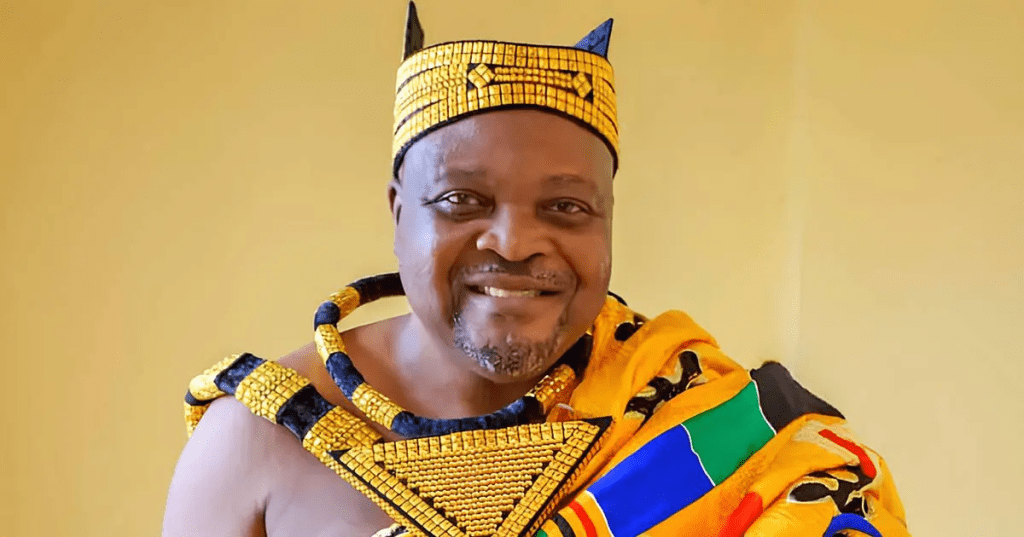
Queer spiritual leader Nana Davis Mac-Iyalla says faith leaders must confront LGBTQ+ erasure in Africa.

Across West Africa, a dangerous pattern continues to repeat itself: communities that do not fit dominant cultural or religious expectations are pushed into silence. Their stories are ignored, their contributions dismissed, and their humanity questioned. This is not a passive oversight. It is a deliberate act of erasure — and it is one of the most powerful tools used to justify discrimination and harmful legislation.

At the Interfaith Diversity Network of West Africa (IDNOWA), we see the consequences of erasure every day. We work with people whose lives have been shaped by silence imposed on them by family, community, and state. We work with faith leaders who are pressured to deny the existence of sexual and gender minorities within their own congregations. And we work with young people who have never heard a single message affirming that they, too, are created in the image of God.

Why Erasure Happens

Erasure is rooted in fear — fear of diversity, fear of truth, and fear of losing control. When a society pretends that LGBTQ+ people do not exist, it becomes easier to pass laws that harm them. When religious leaders deny the presence of LGBTQ+ members in their congregations, they avoid confronting their own biases. When governments erase entire communities from public discourse, they avoid accountability.

Erasure is not only political. It is spiritual. It tells people that God has no place for them. It weaponizes faith against the very people faith is meant to uplift.

The Impact of Erasure

The consequences are profound and far‑reaching:

  • Psychological harm: People internalize the lie that they are unworthy of love, dignity, or belonging.
  • Historical distortion: Future generations inherit a false narrative that denies the diversity that has always existed in African societies.
  • Social vulnerability: Invisible communities are easier to target with violence, discrimination, and punitive laws.
  • Broken faith communities: When religious spaces exclude, they fail in their moral duty to protect the vulnerable.

At IDNOWA, we believe that erasure is a form of violence — a slow, suffocating violence that destroys lives long before any law is passed.

How We Fight Back

Recognition is not a privilege. It is a right. And IDNOWA’s work is grounded in restoring that right through interfaith solidarity, education, and advocacy.

1. We amplify the stories that others try to silence

Through trainings, dialogues, and public advocacy, we create platforms where LGBTQ+ people of faith can speak for themselves — with dignity and authority.

2. We build interfaith alliances that challenge harmful narratives

Our network brings together Christian, Muslim, and traditional leaders who understand that faith must never be used as a weapon. Together, we challenge the misuse of scripture and cultural rhetoric that fuels discrimination.

3. We document our history and our present

IDNOWA produces research, reports, and community‑based documentation to ensure that our stories are preserved. If we do not write our own history, others will erase it.

4. We train leaders to respond to harmful legislation

Across the region, we equip activists, clergy, and community leaders with the tools to advocate safely and effectively in hostile environments.

5. We create spiritual spaces where everyone is welcome

Our interfaith rituals and pastoral care models affirm that every human being is sacred. No one should be forced to choose between their identity and their faith.

A Call to Action

Erasure thrives in silence. Recognition grows in solidarity.

Faith leaders, policymakers, and community members must choose which side of history they want to stand on. Will we allow fear to dictate who is worthy of dignity? Or will we embrace the truth that diversity is not a threat, but a gift?

At IDNOWA, our answer is clear: We will not allow any human being to be erased. Not in our communities. Not in our faith spaces. Not in our region.

We are here. We have always been here. And we will continue to stand, speak, and advocate until every person — regardless of sexual orientation, gender identity, or faith — is recognized as fully human and fully deserving of love, justice, and belonging.

Davis Mac Iyalla is a queer spiritual leader and openly gay traditional chief in Ghana, with deep roots in faith-based advocacy and interfaith engagement. He is a humxn rights defender committed to advancing dignity, inclusion, and justice for LGBTQI+ communities across Africa. Davis serves as Executive Director of the Interfaith Diversity Network of West Africa (IDNOWA) and is the Africa Coordinator for Africa GNRC (Global Network of Rainbow Catholics). He writes and speaks in his own capacity.