Blog, Press

Opinion: LGBTQ+ Erasure Is a Form of Violence — Faith Leaders in Africa Must Not Be Silent

Published on MAMBA Online.com
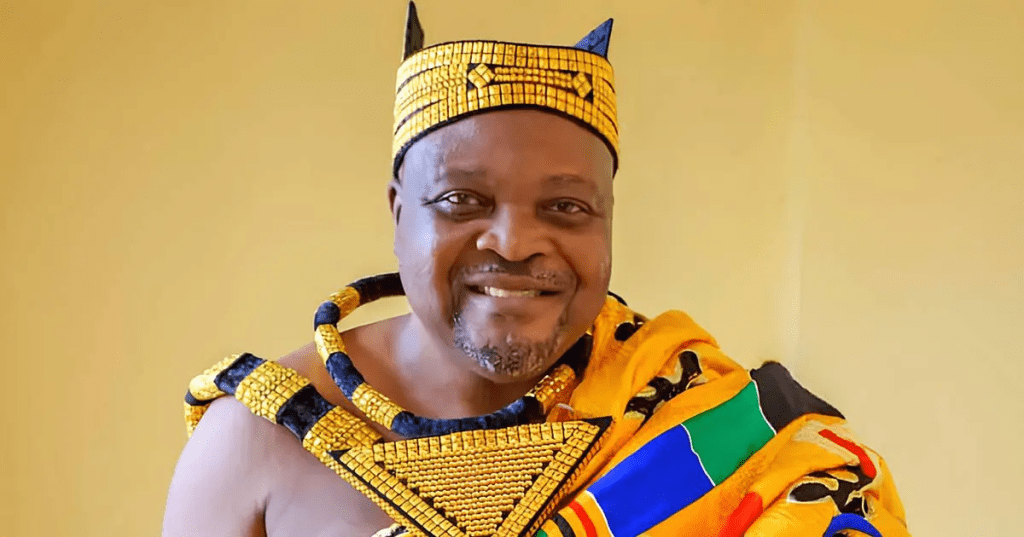
Queer spiritual leader Nana Davis Mac-Iyalla says faith leaders must confront LGBTQ+ erasure in Africa.

Across West Africa, a dangerous pattern continues to repeat itself: communities that do not fit dominant cultural or religious expectations are pushed into silence. Their stories are ignored, their contributions dismissed, and their humanity questioned. This is not a passive oversight. It is a deliberate act of erasure — and it is one of the most powerful tools used to justify discrimination and harmful legislation.

At the Interfaith Diversity Network of West Africa (IDNOWA), we see the consequences of erasure every day. We work with people whose lives have been shaped by silence imposed on them by family, community, and state. We work with faith leaders who are pressured to deny the existence of sexual and gender minorities within their own congregations. And we work with young people who have never heard a single message affirming that they, too, are created in the image of God.

Why Erasure Happens

Erasure is rooted in fear — fear of diversity, fear of truth, and fear of losing control. When a society pretends that LGBTQ+ people do not exist, it becomes easier to pass laws that harm them. When religious leaders deny the presence of LGBTQ+ members in their congregations, they avoid confronting their own biases. When governments erase entire communities from public discourse, they avoid accountability.

Erasure is not only political. It is spiritual. It tells people that God has no place for them. It weaponizes faith against the very people faith is meant to uplift.

The Impact of Erasure

The consequences are profound and far‑reaching:

  • Psychological harm: People internalize the lie that they are unworthy of love, dignity, or belonging.
  • Historical distortion: Future generations inherit a false narrative that denies the diversity that has always existed in African societies.
  • Social vulnerability: Invisible communities are easier to target with violence, discrimination, and punitive laws.
  • Broken faith communities: When religious spaces exclude, they fail in their moral duty to protect the vulnerable.

At IDNOWA, we believe that erasure is a form of violence — a slow, suffocating violence that destroys lives long before any law is passed.

How We Fight Back

Recognition is not a privilege. It is a right. And IDNOWA’s work is grounded in restoring that right through interfaith solidarity, education, and advocacy.

1. We amplify the stories that others try to silence

Through trainings, dialogues, and public advocacy, we create platforms where LGBTQ+ people of faith can speak for themselves — with dignity and authority.

2. We build interfaith alliances that challenge harmful narratives

Our network brings together Christian, Muslim, and traditional leaders who understand that faith must never be used as a weapon. Together, we challenge the misuse of scripture and cultural rhetoric that fuels discrimination.

3. We document our history and our present

IDNOWA produces research, reports, and community‑based documentation to ensure that our stories are preserved. If we do not write our own history, others will erase it.

4. We train leaders to respond to harmful legislation

Across the region, we equip activists, clergy, and community leaders with the tools to advocate safely and effectively in hostile environments.

5. We create spiritual spaces where everyone is welcome

Our interfaith rituals and pastoral care models affirm that every human being is sacred. No one should be forced to choose between their identity and their faith.

A Call to Action

Erasure thrives in silence. Recognition grows in solidarity.

Faith leaders, policymakers, and community members must choose which side of history they want to stand on. Will we allow fear to dictate who is worthy of dignity? Or will we embrace the truth that diversity is not a threat, but a gift?

At IDNOWA, our answer is clear: We will not allow any human being to be erased. Not in our communities. Not in our faith spaces. Not in our region.

We are here. We have always been here. And we will continue to stand, speak, and advocate until every person — regardless of sexual orientation, gender identity, or faith — is recognized as fully human and fully deserving of love, justice, and belonging.

Davis Mac Iyalla is a queer spiritual leader and openly gay traditional chief in Ghana, with deep roots in faith-based advocacy and interfaith engagement. He is a humxn rights defender committed to advancing dignity, inclusion, and justice for LGBTQI+ communities across Africa. Davis serves as Executive Director of the Interfaith Diversity Network of West Africa (IDNOWA) and is the Africa Coordinator for Africa GNRC (Global Network of Rainbow Catholics). He writes and speaks in his own capacity.
Blog, Press

IDNOWA Position Paper

Countering Anti‑LGBTIQ Legislation in West Africa Through Human Rights and Interfaith Solidarity

   Introduction

IDNOWA affirms that human rights are universal, indivisible, and inherent to all people. Across West Africa, a surge of anti‑LGBTIQ legislation threatens the dignity, safety, and freedoms of millions. These laws undermine constitutional protections, weaken democratic institutions, and contradict regional and international commitments to equality.

As an interfaith organisation rooted in the shared moral values of Christianity, Islam, and African Traditional Religions, IDNOWA rejects all forms of legislation that criminalise or stigmatise individuals based on sexual orientation, gender identity, or gender expression. Our work is grounded in the belief that compassion, justice, and human dignity are sacred principles across all faiths.

   Context: Rising Anti‑LGBTIQ Legislation in West Africa

Several West African countries have recently introduced or strengthened laws that:

  • Criminalise consensual same‑sex relationships
  • Restrict freedom of association, expression, and assembly
  • Ban or censor LGBTIQ‑related organisations and advocacy
  • Impose harsh penalties, including imprisonment
  • Encourage public reporting, harassment, and violence

These laws are often justified using religious or cultural rhetoric, despite the fact that many originate from colonial‑era penal codes rather than indigenous African traditions.

   Impact of Anti‑LGBTIQ Legislation

Human Rights Violations

  • Arbitrary arrests and detentions
  • Increased violence, blackmail, and extortion
  • Suppression of civil society and human rights defenders

Public Health Risks

  • Reduced access to HIV prevention and treatment
  • Fear of seeking healthcare due to criminalisation
  • Disruption of community‑based health programmes

Economic and Developmental Costs

  • Loss of workforce productivity
  • Barriers to inclusive development
  • Reduced international cooperation and investment

Social Fragmentation

  • Heightened stigma and discrimination
  • Breakdown of community trust
  • Increased vulnerability of marginalised groups

   IDNOWA’s Position: A Human Rights and Interfaith Mandate

IDNOWA’s stance is grounded in human rights principles and the shared moral teachings of West Africa’s diverse faith traditions. Across Christianity, Islam, and African Traditional Religions, core values such as compassion, justice, and the sanctity of human dignity are universal.

Our interfaith position affirms that:

  • Human dignity is sacred — no law should strip individuals of their inherent worth.
  • Compassion is a shared religious value — punitive laws that harm vulnerable people contradict the ethical teachings of major faith traditions.
  • Justice requires inclusion — discrimination violates the moral responsibility to protect all members of society.
  • Faith must not be weaponised — religious teachings should not be misused to justify state‑sanctioned harm.

Supporting Voices from African Faith Leaders

IDNOWA aligns with respected African religious leaders — Christian, Muslim, and Traditionalist — who have spoken publicly in defence of human dignity:

  • Nana Davis Mac‑Iyalla, Anglican human‑rights advocate (Ghana/Nigeria): “God’s love is for everyone. No one should be criminalised because of who they are or whom they love.”
  • Rev. Patricia Akpan, Christian minister and gender‑justice advocate (Nigeria): “Faith should never be used as a weapon. Our calling is to protect life, not to condemn people for who they are.”
  • Rev. Nontombi Naomi Tutu, Anglican priest and educator (South Africa): “Our faith calls us to stand with the oppressed, not to create new categories of people to fear or reject.”
  • Mama Grace Onibon, Yoruba Traditionalist elder and peace advocate (Nigeria): “In our traditions, every person is a child of the community. We do not cast people out — we restore them to wholeness.”
  • Archbishop Desmond Tutu (South Africa)“I would refuse to go to a homophobic heaven. I cannot worship a God who is homophobic.”
  • Imam Muhsin Hendricks (South Africa)“Islam is a religion of compassion. Criminalisation and violence have no place in our faith.”

These voices demonstrate that African religious leadership is diverse and that many leaders — including women and Traditionalists — affirm dignity, coexistence, and non‑violence.

   Strategic Priorities for Countering Anti‑LGBTIQ Legislation

A. Advocacy and Policy Engagement

  • Engage policymakers, parliamentarians, and regional bodies.
  • Provide evidence‑based briefs on the harms of criminalisation.
  • Support legal reform aligned with constitutional and human rights obligations.

B. Strengthening Civil Society

  • Build coalitions across human rights, feminist, youth, and disability movements.
  • Support grassroots organisations with training and security resources.
  • Promote safe platforms for community voices.

C. Public Education and Narrative Change

  • Counter misinformation with culturally grounded messaging.
  • Promote narratives rooted in shared values of dignity and coexistence.
  • Engage religious and traditional leaders in dialogue.

D. Protection and Support for Affected Communities

  • Expand access to psychosocial support, legal aid, and emergency assistance.
  • Strengthen community‑led safety networks.
  • Ensure non‑discriminatory healthcare access.

E. Regional and International Solidarity

  • Collaborate with ECOWAS, the African Commission on Human and Peoples’ Rights, and UN agencies.
  • Advocate for diplomatic pressure and human rights monitoring.
  • Mobilise international partners to support rights‑based development.

   Interfaith Engagement as a Pathway to Social Harmony

As an interfaith organisation, IDNOWA recognises that religious leaders hold significant influence in shaping public opinion and policy. Engaging them is essential to countering harmful legislation.

A. Reclaiming Faith from Extremism

IDNOWA works with faith leaders to:

  • Promote contextual, compassionate interpretations of scripture
  • Challenge the misuse of religion for political gain
  • Highlight teachings that emphasise love, mercy, and justice

B. Building Bridges Across Faith Communities

We foster collaboration among Christian, Muslim, and Traditionalist leaders to:

  • Issue joint statements affirming human dignity
  • Create safe spaces for dialogue
  • Reduce tensions and prevent religiously motivated violence

C. Supporting Inclusive Faith Leaders

IDNOWA:

  • Provides training on human rights and inclusive theology
  • Offers solidarity networks for leaders facing backlash
  • Amplifies voices that promote peace and coexistence

D. Grounding Advocacy in Shared Values

Our messaging draws on values that resonate across faiths:

  • The sanctity of life
  • Community care
  • Protection of the vulnerable
  • Rejection of violence and injustice

E. Faith‑Based Approaches to Public Health

We collaborate with religious institutions to:

  • Support non‑discriminatory HIV services
  • Reduce stigma in faith‑based health settings
  • Promote messages of care rather than punishment

  Recommendations to Governments

IDNOWA calls on West African governments to:

  • Halt or repeal anti‑LGBTIQ legislation
  • Uphold constitutional protections for all citizens
  • Ensure freedom of expression, association, and assembly
  • Protect human rights defenders and civil society
  • Adopt evidence‑based public health policies

  Conclusion

Anti‑LGBTIQ legislation threatens human rights, public health, and the moral fabric of West African societies. As an interfaith organisation, IDNOWA stands firmly for compassion, justice, and the protection of all people. We call on governments, religious leaders, civil society, and international partners to uphold the shared values that unite us — dignity, peace, and the belief that every human being deserves to live free from fear and discrimination.

Blog, Press

Spiritual Violence Against LGBTIQ People in West Africa

By Nana Davis Mac‑Iyalla

Our liberation is not a question of if, but when. And together, we are bringing that “when” closer.

Nana Davis Mac‑Iyalla